
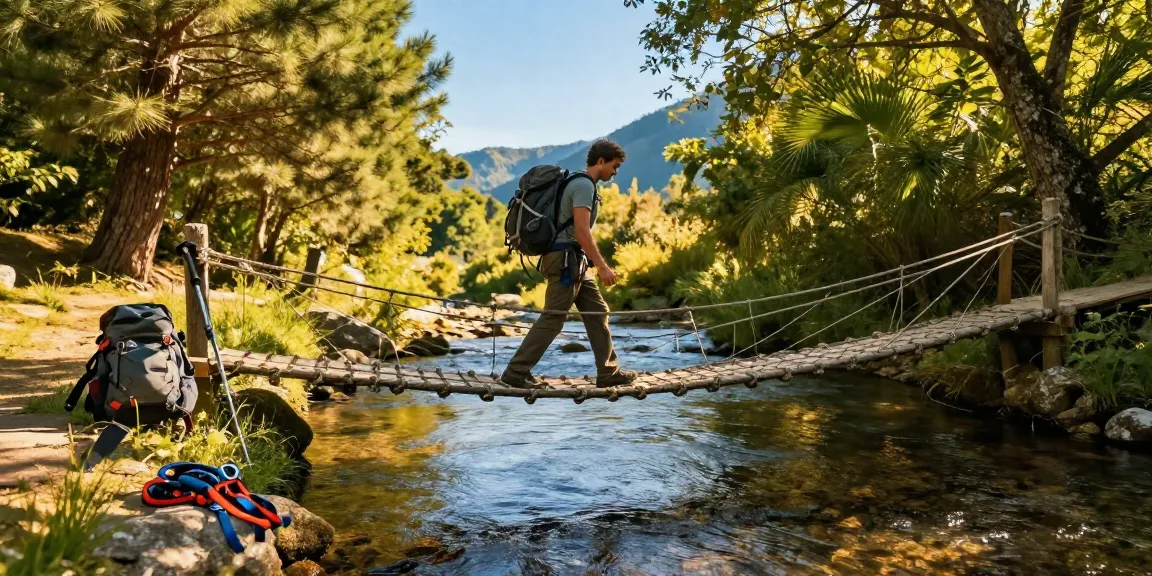
Understanding River Rope Bridges
River rope bridges, an intriguing combination of simplicity and functionality, have captured the imagination of adventurers and outdoor enthusiasts alike. These structures not only facilitate the crossing of rivers but also enhance the natural beauty of their surroundings. Whether you’re planning a nature hike, a camping trip, or a recreational area, a well-constructed river rope bridge can significantly enhance accessibility and scenic enjoyment. When exploring options, River Rope Bridge designs vary greatly, each offering unique benefits and experiences that can enhance outdoor adventures.
What is a River Rope Bridge?
A river rope bridge is a type of suspension bridge that uses ropes or cables suspended between two banks to create a pedestrian crossing. These bridges can be constructed using various materials, including natural fibres or modern synthetic materials, offering flexibility in design and functionality. They are particularly beneficial in remote areas where traditional bridge construction may not be feasible or cost-effective.
The History and Evolution of Rope Bridges
The history of rope bridges dates back to ancient civilizations, with documented use in South America and Asia. The Inca civilization, for example, famously crafted grass rope bridges to traverse the Andean mountains. Today, river rope bridges have evolved, with modern engineering techniques allowing for safer and more durable structures. The incorporation of synthetic materials has further enhanced the safety and longevity of these bridges, making them a popular choice for both private and public projects.
Benefits of Using River Rope Bridges
- Accessibility: They provide crucial access across rivers, particularly in remote hiking trails.
- Aesthetic Appeal: Rope bridges can enhance the scenic beauty of natural landscapes.
- Cost-Effectiveness: Compared to traditional bridges, rope bridges can be less expensive to construct and maintain.
- Minimal Environmental Impact: These structures can be designed to blend into the natural environment, reducing ecological disturbance.
Choosing the Right River Rope Bridge for Your Needs
Types of River Rope Bridges Available
When it comes to river rope bridges, several types cater to different needs and environments. The most common types include:
- Suspension Bridges: These are the most traditional type, where the bridge is suspended from cables.
- Beam Bridges: A simpler design that uses horizontal beams supported by vertical posts.
- Two-Rope Systems: These offer a more minimalist design, providing a direct connection between two points.
Determining the Right Size and Design
The size and design of your river rope bridge should be influenced by its intended use. Consider the expected foot traffic, load capacity, and the width of the river. For example, a bridge meant for recreational purposes may not require the same durability as one intended for heavy equipment or livestock movement.
Materials Used in Constructing Safe Bridges
Materials play a crucial role in the safety and durability of rope bridges. Natural materials like hemp and sisal are often used for smaller projects due to their cost-effectiveness and aesthetic appeal. However, for larger, more durable constructions, synthetic materials like nylon or polyester are preferred as they offer greater resistance to weather elements and wear.
Safety Considerations for River Rope Bridges
Essential Safety Equipment for Users
To ensure safe usage of river rope bridges, appropriate safety equipment is essential. This includes harnesses, helmets, and safety lines, particularly for bridges used in adventure activities. Furthermore, clear signage indicating weight limits and usage guidelines can enhance safety for all users.
Common Risks and How to Mitigate Them
Common risks associated with river rope bridges include structural failure, falls, and environmental hazards like slippery surfaces or high currents below. To mitigate these risks, regular maintenance checks should be conducted, and users should be educated about safe crossing techniques.
Best Practices for Safe Crossing
- Always wear safety gear when crossing.
- Cross one person at a time to reduce the load on the bridge.
- Be aware of weather conditions, as rain can make surfaces slippery.
Constructing Your Own River Rope Bridge
Step-by-Step Guide to Building a Rope Bridge
Building a river rope bridge can be a rewarding project if approached methodically. Here’s a simple step-by-step guide:
- Identify locations on both riverbanks for anchoring the bridge.
- Measure the width of the river and select appropriate materials.
- Construct the anchor points securely on both sides.
- Attach the ropes or cables, ensuring they are taut and secure.
- Test the bridge for stability before allowing foot traffic.
Tools and Materials You Will Need
A successful build requires various tools and materials, including:
- High-quality ropes or cables
- Anchor materials (wood, metal, or concrete)
- Safety gear for builders
- Basic tools (screwdriver, hammer, saw)
Permits and Legal Considerations
Before embarking on a construction project, check local regulations regarding permits. Some areas may require specific permissions or inspections to ensure safety and environmental compliance.
Future Trends in River Rope Bridges
Innovative Designs and Materials for 2026
The future of river rope bridges is poised for innovation with advancements in materials and engineering. Lightweight, high-strength materials will likely dominate, allowing for more daring designs that keep aesthetic appeal in mind while enhancing safety.
Environmental Impact and Sustainability
Sustainability will continue to be a focal point in the design and construction of river rope bridges. Eco-friendly materials and designs that minimise ecological disruption will be increasingly preferred, aligning with global trends toward conservation.
Predictions for the Popularity of Rope Bridges
As outdoor activities gain popularity, particularly among families and adventure enthusiasts, river rope bridges are expected to see increased interest. Their versatility and unique appeal make them an attractive option for parks, hiking trails, and private properties.
What are the benefits of building a rope bridge?
Building a rope bridge provides numerous benefits, including enhanced access to remote areas, the ability to connect different sections of land, and the opportunity for unique recreational experiences. They also serve as attractive features that can elevate the aesthetic value of a space.
How much weight can a river rope bridge hold?
The weight capacity of a river rope bridge depends on its design and materials. Generally, a well-constructed rope bridge can support several hundred kilograms, but it’s crucial to conduct proper load assessments to ensure safety.
Where can I find river rope bridge kits?
Various retailers and online platforms offer river rope bridge kits. These kits typically include essential materials and instructions, making it easier for builders to construct their own bridges.
What maintenance is required for a rope bridge?
Routine maintenance is vital for the longevity and safety of a rope bridge. This includes regular inspections for wear and tear, tightening slack ropes, and replacing damaged components as necessary.
Can rope bridges be used in winter conditions?
Yes, rope bridges can be utilised in winter conditions, but precautions should be taken. Snow and ice can create hazardous conditions on the bridge surface, so users should exercise additional caution and consider using more durable materials designed to withstand winter weather.