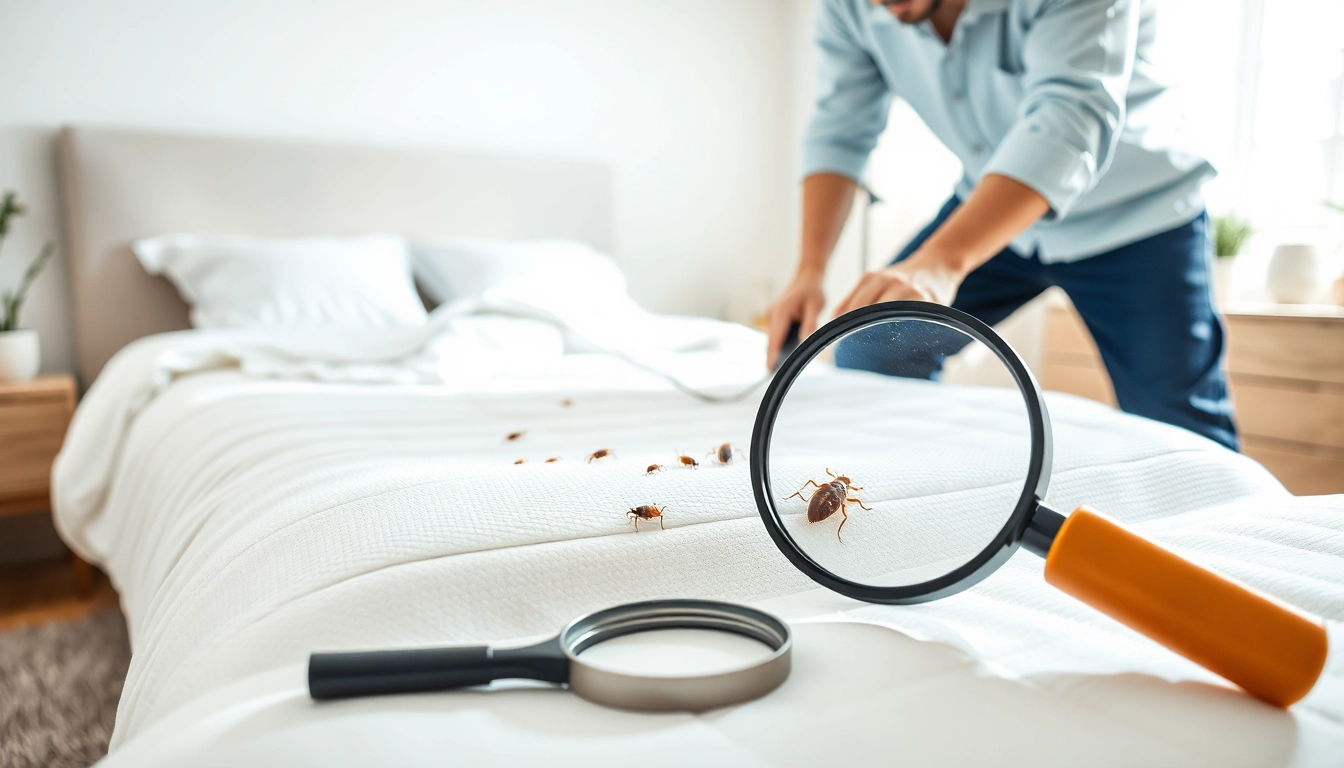
Understanding Bed Bugs: A Comprehensive Overview
What are Bed Bugs?
Bed bugs are small, reddish-brown insects belonging to the family Cimicidae. They are about the size of an apple seed, and they thrive in human environments, primarily feeding on blood. These nocturnal pests are notorious for their potential to disrupt sleep and cause discomfort through their bites. Unlike many other insects, bed bugs do not transmit diseases; their presence is largely a nuisance. Understanding their biology and behavior is crucial for effective bed bug removal.
Signs of Infestation
Awareness of the signs of a bed bug infestation is vital for timely action. The most common indicators include:
- Bloodstains: Tiny blood spots on sheets or mattress can indicate bed bug bites.
- Fecal Spots: Dark or rusty spots on bedding or furniture signify bed bug droppings.
- Shells: Shed skins from nymphs can often be found near their hiding spots.
- Bites: Itchy welts on the skin, typically in a line or cluster.
Health Risks Associated with Bed Bugs
While bed bugs are not known to transmit diseases, their bites can lead to several health issues. Some individuals may experience severe allergic reactions, requiring medical attention. Sleep disturbances caused by anxiety over potential infestations can also affect overall health. Secondary infections from incessant scratching at bite sites may occur, necessitating further treatment.
Effective Techniques for Bed Bug Removal
Professional Pest Control Services
Hiring a professional pest control service is often the most effective approach to eradicate bed bugs. Trained exterminators use advanced techniques and equipment, including heat treatments and effective pesticides. A comprehensive inspection to identify the infested areas, followed by targeted treatment, ensures a higher success rate in removal and prevention of re-infestation.
DIY Methods for Bed Bug Removal
For those inclined to address infestations themselves, DIY methods can be effective if done correctly. Some strategies include:
- Heat Treatment: Washing bedding and clothing in hot water followed by a hot dryer cycle can eliminate bed bugs. Steam cleaning carpets and upholstery is also beneficial.
- Vacuuming: Regularly vacuuming infested areas helps reduce their numbers significantly but remember to dispose of the vacuum bag properly.
- Sealing Cracks: Inspect and seal any potential hiding spots to prevent bed bugs from spreading.
How to Choose the Right Bed Bug Treatment
Selecting the right treatment method depends on the extent of the infestation. Homeowners should consider the following factors:
- Severity: Large infestations may require professional intervention, while smaller ones might be manageable through DIY methods.
- Allergies: Consider the health of the occupants; some chemicals can exacerbate respiratory issues.
- Budget: Professional services can be costly, but the investment may save money and stress in the long run.
Preventing Future Bed Bug Infestations
Best Practices for Home Maintenance
Prevention is key in avoiding bed bugs in the first place. Implement these best practices in routine home maintenance:
- Regular Inspections: Frequently check your sleeping areas, especially after travel.
- Decluttering: Reduce clutter to minimize hiding spots, making inspection easier.
- Protective Covers: Use bed bug mattress encasements to trap any existing bugs and prevent new infestations.
Travel Tips to Avoid Bed Bugs
Traveling can often lead to unwanted bugs hitching a ride. Follow these tips to mitigate risks:
- Inspect Hotels: Always check for signs of bed bugs upon arrival. Look for droppings and blood spots on sheets.
- Luggage Care: Keep luggage off the floor and use luggage racks away from beds and walls.
- Immediate Action: If you suspect exposure to bed bugs, wash clothing in hot water upon returning home.
Monitoring and Early Detection Strategies
Implementing a proactive monitoring system can save time and resources. Consider the following strategies:
- Bed Bug Monitors: Use traps under bed legs to capture any roving bugs.
- Regular Inspections: Schedule periodic inspections by professionals, especially during peak seasons.
- Education: Educate everyone in the household about how to identify and report potential signs of bed bugs.
Evaluating Costs for Bed Bug Removal
Factors Affecting the Costs
The cost of bed bug removal can vary widely based on several factors:
- Extent of Infestation: Larger infestations require more resources and time to eradicate.
- Type of Treatment: Heat treatments tend to be more expensive while DIY methods are cheaper.
- Location: Prices may vary by geographic region due to demand and competition among services.
Understanding Treatment Plans and Pricing
When considering treatment options, homeowners should ask detailed questions to understand what the cost includes. A good treatment plan should detail the number of treatments required, products used, and any follow-up services offered. Be wary of estimates that seem too low, as they may indicate subpar service.
Cost-Effective Solutions for Homeowners
Homeowners looking to cut down on costs often find success in a combination of DIY methods and professional help. Start with thorough cleaning and sealing, then consult professionals for persistent issues. Investing in long-term solutions such as mattress encasements can also prevent future infestations.
Frequently Asked Questions about Bed Bug Removal
How do I know if I have bed bugs?
Common signs include unexplained bites, blood spots on your sheets, and the smell of musty, sweet odors. Regular inspection helps confirm infestations early.
What are the best home remedies for bed bug removal?
Effective home remedies include heat treatment through washing items on high heat, vacuuming, and applying diatomaceous earth in suspected areas.
Are bed bug bites dangerous to my health?
While bed bug bites are not dangerous in themselves, some individuals may experience allergic reactions, leading to itching and secondary infections.
How can I prevent bed bugs from coming back?
Prevention involves regular inspections, sealing cracks, decluttering, and using protective mattress encasements to deter infestations.
How long does it take for bed bug removal?
The timeline for removal varies; professional treatments can take 3-4 visits over several weeks, while DIY methods may take longer depending on the infestation's severity.