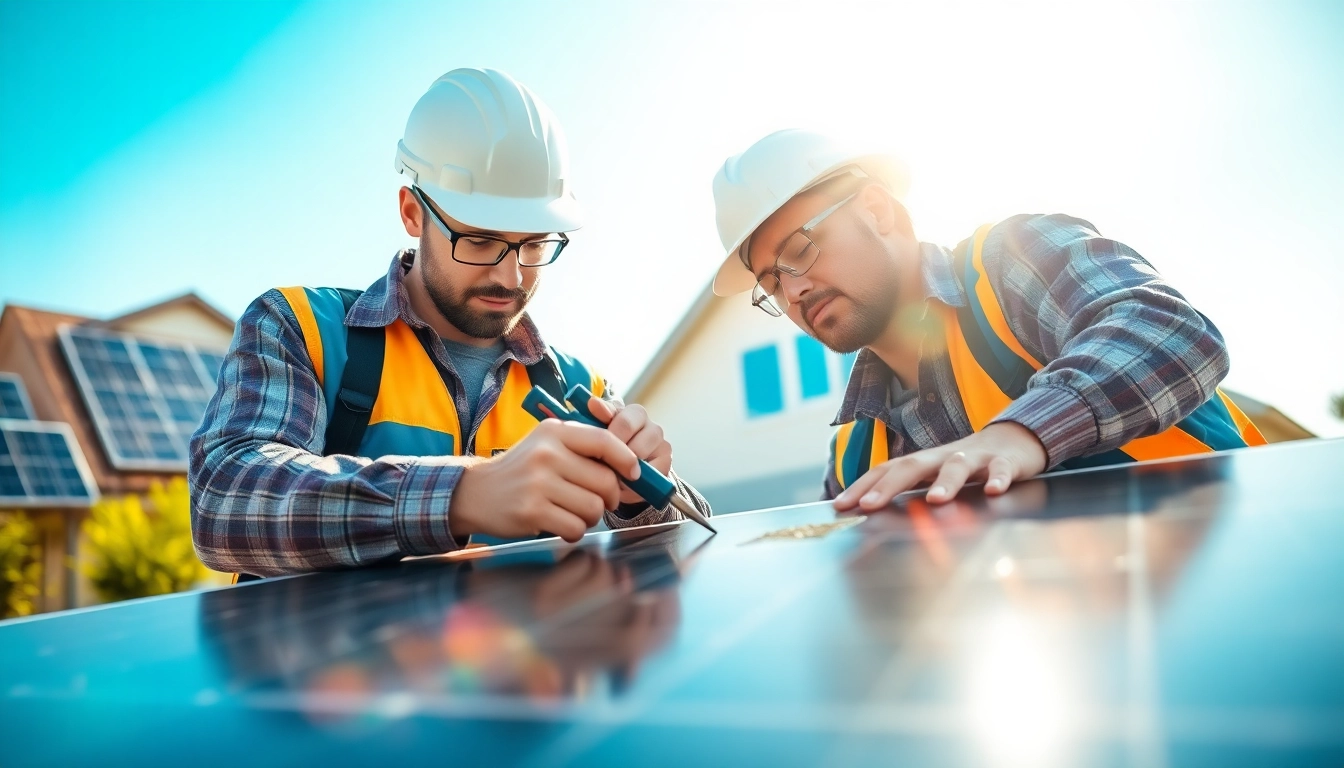
Understanding Solar Panel Repair
What is Solar Panel Repair?
Solar panel repair encompasses the assessment, maintenance, and restoration of solar panels that have sustained damage or are underperforming. This process is vital for ensuring the efficiency and longevity of solar energy systems, enabling owners to maximize their investment in renewable energy. Skilled technicians address issues ranging from minor surface scratches to significant electrical problems, ensuring systems remain operational and efficient.
Common Issues Requiring Repair
Several common issues can necessitate solar panel repair:
- Microcracks: Tiny fractures that may not be visible but can significantly impact energy production.
- Loss of Electrical Output: Reduced power generation can indicate internal damage or issues with the inverter.
- Physical Damage: Cracks or shattering from extreme weather events, falling debris, or improper installation.
- Corrosion: Deterioration of connections or components due to moisture exposure.
- Faulty Wiring: Damaged or loose wiring connections affecting efficiency and safety.
Signs You Need Solar Panel Repair
Identifying when repairs are necessary is crucial to maintaining the performance of your solar panels. Watch for these signs:
- Decreased energy production compared to previous years.
- Visible signs of physical damage on the surface of the panels.
- Inconsistent reading from the inverter or monitoring system.
- Unusual noises coming from electrical connections or inverters.
- Water pooling or signs of moisture around panel edges.
Cost Factors in Solar Panel Repair
Average Repair Costs Explained
The cost of solar panel repair can vary based on several factors, including region, the extent of damage, and the type of repair required. On average, repairs can range from $120 for minor issues to upwards of $3,000 for significant repairs. Costs may include labor, replacement parts, and inspections, with most repairs averaging around $750. Understanding these costs helps in budgeting and financial planning for maintenance.
Price Variation by Damage Type
Different types of damage warrant different approaches and costs:
- Microcracks: Often require minimal repair and can be fixed with resin, costing between $150-$500.
- Electrical Issues: May necessitate inverter replacement or rewiring, averaging $500-$1,500.
- Physical Replacement: If panels are shattered or severely damaged, costs can exceed $3,000.
Insurance and Warranties Impacting Costs
Insurance coverage and manufacturer warranties can impact your out-of-pocket expenses for solar panel repair. Policies may cover damages from specific incidents like storms, while warranties often cover manufacturing defects. It’s essential to review these documents periodically, as they can alleviate repair costs and provide peace of mind in unexpected situations.
DIY Solar Panel Repair: Pros and Cons
Steps for Basic Solar Panel Repair
Many homeowners consider DIY repairs to save costs. Basic repairs, such as resealing, fixing microcracks, or cleaning, can be undertaken with the right approach:
- Assess the Damage: Determine the nature and extent of the damage before proceeding.
- Gather Tools and Materials: Ensure you have appropriate tools, safety gear, and materials ready.
- Follow Safety Protocols: Always turn off the system and wear protective gear to avoid injury.
- Research Techniques: Utilize online resources and tutorials to guide your repair process.
- Test the System: Once repaired, monitor the system to ensure it operates efficiently.
When to Call a Professional
While DIY repairs are suitable for minor issues, many situations warrant professional intervention. Call a technician when:
- You are uncertain about the assessment or repair process.
- The damages involve electrical issues that can pose hazards.
- Visible signs of water damage or significant physical damage are present.
- The system requires intricate repairs or replacements beyond basic fixes.
Safety Considerations in DIY Repairs
Safety is paramount when engaging in DIY repairs, especially with electrical components. Consider the following safety tips:
- Shut down the system and unplug it before starting any work.
- Wear safety goggles, gloves, and non-slip footwear.
- Use a sturdy ladder for elevated work and never hesitate to ask for assistance.
- Follow manuals and guidelines provided by the panel manufacturer.
Choosing the Right Solar Repair Service
Researching Local Services
Finding the right service provider for solar panel repair involves thorough research. Start by checking online reviews and ratings, specifying companies with strong community reputations. Word-of-mouth recommendations can also help identify reputable technicians. Local business directories and platforms that aggregate service reviews can serve as valuable resources.
What to Look for in a Repair Company
When selecting a repair company, keep an eye out for these essential qualities:
- Licensing and Certification: Ensure the company has necessary licenses and trained technicians.
- Experience: Look for a track record in the industry with positive customer experiences.
- Insurance: A reputable company should carry liability insurance to protect you during repairs.
- Transparency: Choose a service that provides clear pricing estimates and breakdowns.
Reading Customer Reviews Effectively
Understanding customer reviews is crucial to gauging a service’s reliability. Focus on:
- The overall star rating—higher ratings generally reflect better service.
- Specific comments about quality of work, timeliness, and customer service.
- Patterns in feedback to identify consistent strengths or weaknesses.
Maintaining Solar Panels for Longevity
Best Practices for Regular Maintenance
Regular maintenance is essential for the longevity and efficiency of solar panels. Adopt the following best practices:
- Regular Inspections: Conduct thorough checks every six months.
- Cleaning: Clean panels with a soft cloth and mild soap to remove dirt and debris.
- Monitor Performance: Utilize monitoring systems to track energy output consistently.
- Check for Visible Damage: Regularly inspect for cracks, corrosion, or loose wiring.
Long-Term Benefits of Maintenance
Investing time and resources in maintenance can yield multiple long-term benefits:
- Optimized Performance: Well-maintained systems operate at peak efficiency.
- Extended Lifespan: Regular upkeep can double or multiply the lifespan of solar panels.
- Increased ROI: Enhanced generation leads to better returns on investment over time.
Common Maintenance Mistakes to Avoid
While maintaining solar panels, be aware of these common mistakes:
- Neglecting regular inspections, leading to developing small issues into larger problems.
- Using harsh chemicals that could damage the panel surface.
- Ignoring local weather-related impacts that may require immediate attention.
Frequently Asked Questions
1. What are the common causes of solar panel damage?
Common causes include extreme weather conditions, tree debris, physical impacts, and electrical failing or corrosion over time.
2. How can I tell if my solar panels need repair?
Signs include reduced energy output, visible damage, electrical issues, or inconsistent monitoring readings.
3. Can I repair solar panels myself?
You can perform minor repairs, but many issues require professional expertise, especially for electrical problems.
4. How often should solar panels be maintained?
Regular inspections every six months, with cleaning and performance monitoring, can ensure optimal functioning.
5. Will my insurance cover solar panel repairs?
Coverage varies by policy; check with your provider to see if damage is included under your homeowners' insurance policy.