Understanding AI Inference in Infrastructure
AI inference is a critical component in modern artificial intelligence (AI) systems, enabling trained models to make predictions based on new data inputs. As industries increasingly rely on AI technologies, understanding the mechanics of AI inference and the infrastructure that supports it becomes essential. The growing demand for AI services means that the underlying infrastructure must be robust and scalable. Therefore, it is crucial for stakeholders to comprehend how AI inference operates within this ecosystem and how they can participate in it. When exploring options, AI inference offers comprehensive insights into leveraging power resources efficiently while engaging in the AI Token Economy.
What is AI Inference?
AI inference refers to the process by which a trained AI model generates predictions from new, unseen data. This process occurs after the model has undergone the training phase, where it learned from a substantial amount of data. During inference, the model receives input data, processes it through its architecture, and outputs predictions or classifications. The effectiveness of inference largely depends on the quality of the training data and the architecture of the AI model. In practical applications, AI inference is utilized in various sectors, from healthcare diagnostics to financial forecasting, automating decision-making processes and improving efficiency.
The Importance of AI Inference in Modern Applications
AI inference plays a vital role in many modern applications, primarily because it enables real-time decision-making. For instance, in autonomous vehicles, AI inference is used to analyze sensor data and make split-second decisions to ensure passenger safety. In customer service, chatbots utilize AI inference to interpret user queries and provide relevant responses, enhancing user experience. As organizations pursue digital transformation, the demand for faster and more accurate inference models is rising, further cementing the need for reliable AI infrastructure.
Key Components of AI Inference Systems
- Model Architecture: The structure of the AI model, including layers and connections, directly affects its inference capability.
- Hardware Acceleration: Graphics Processing Units (GPUs) and other specialized hardware significantly speed up inference times compared to traditional CPU processing.
- Data Pipeline: Efficient data pipelines ensure that input data is processed swiftly and accurately, contributing to timely inference outputs.
- Scalability: AI systems must be able to handle increased loads without sacrificing performance, necessitating a flexible infrastructure.
- Power Management: Given the significant energy requirements of AI operations, effective power management is an integral part of AI inference systems.
How AI Infrastructure Supports AI Inference
The infrastructure supporting AI inference is multifaceted and must be designed with several critical functions in mind. It is essential for businesses to invest in robust systems that can handle the demands of AI workloads, ensuring they remain competitive in the rapidly evolving landscape.
The Role of GPU Servers in AI Operations
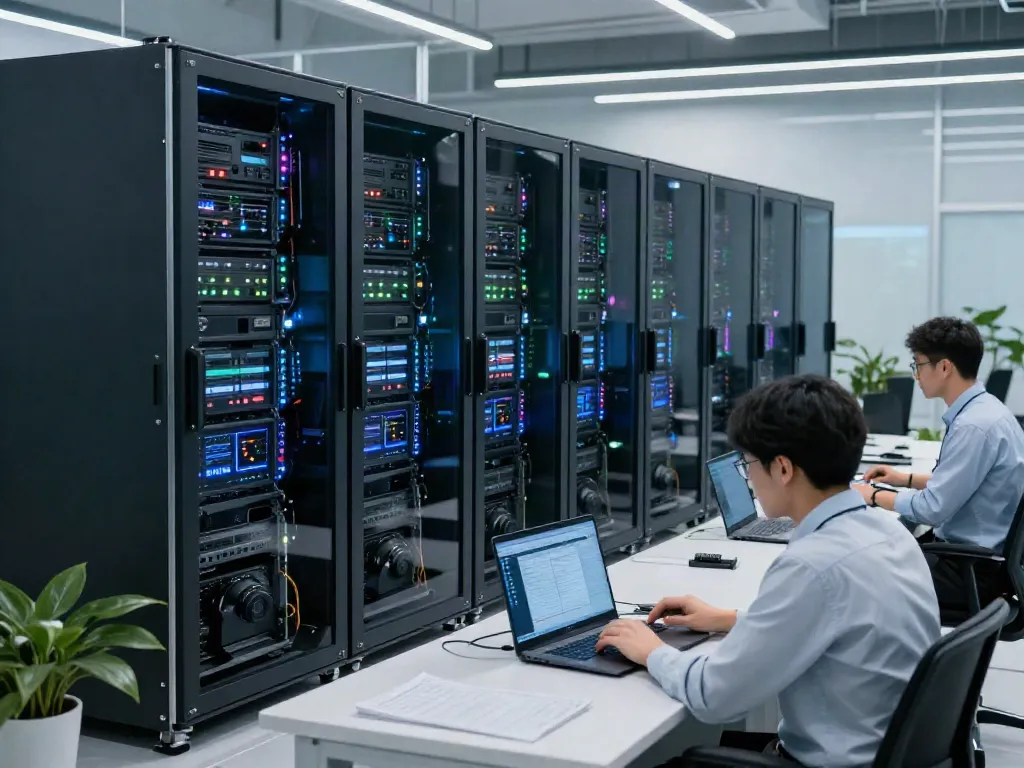
GPU servers are the backbone of AI inference operations. Unlike traditional CPU-based systems, GPUs are optimized for parallel processing, making them ideal for the heavy computational tasks associated with AI. They can process numerous operations simultaneously, significantly speeding up the inference process. In scenarios where models require quick responses, such as real-time video analysis or natural language processing, the performance differences between GPU and CPU can dramatically impact usability and efficiency.
Electricity and Power Management for AI Systems
Electricity consumption is a significant concern for AI infrastructure, as the demand for power can escalate with the scale of AI operations. Effective power management ensures that AI systems operate efficiently without overloading resources. This includes optimizing power usage during low-demand periods and ensuring that adequate energy is available during peak loads. By participating in AI infrastructure initiatives that focus on sustainable energy solutions, companies can mitigate costs and reduce their carbon footprint.
Scalable Solutions: Adapting Infrastructure to Demand
AI infrastructures must be adaptable to fluctuating demands. This adaptability involves not only the physical infrastructure, such as servers and networking equipment but also the software systems managing resource allocation. With growing applications of AI across various sectors, scalable solutions allow businesses to adjust their compute power based on real-time needs, resulting in cost savings and improved performance.
Engaging in the AI Token Economy through Inference
The AI Token Economy is a burgeoning field that allows individuals and organizations to participate in AI services through tokenized contributions. By supporting AI inference operations, participants can earn rewards based on their contributions, making it important to understand how to engage effectively in this ecosystem.
Understanding Contribution Rewards in AI Services
Participating in the AI Token Economy commonly involves contributing power and resources to support AI workloads. In return for these contributions, participants can earn rewards calculated based on the operational results of AI services. This model enhances engagement by creating a direct correlation between contributions and rewards, motivating participants to optimize their resource allocation. Transparency in how rewards are calculated is crucial for maintaining trust within the ecosystem.
Choosing Your AI Infrastructure Power Plan
To become involved in AI infrastructure, participants can select from various power plans that match their capacity to contribute and their desired level of engagement. These plans typically range from core access to advanced configurations, enabling users to participate according to their own operational goals and resource availability. Understanding the specifications and potential returns of each plan can help users make informed decisions that align with their strategic objectives.
Real-world Applications of AI Tokens
AI tokens are being utilized in various industries that leverage AI for operational efficiency, customer engagement, and data analytics. For instance, in healthcare, tokens can be used to measure AI-driven diagnostics and treatments, ensuring that resources are allocated efficiently. In the finance sector, tokens can help manage AI models that assess risks and forecast market trends, providing insights that drive investment decisions. The versatility of AI tokens illustrates their potential to reshape traditional business models.
Challenges and Misconceptions in AI Inference
Despite the advances in AI inference, several challenges and misconceptions can impede stakeholders from fully leveraging its capabilities. Addressing these issues is crucial for promoting understanding and participation in the AI ecosystem.
Common Issues Faced by Participants
Participants in the AI Token Economy often face challenges related to understanding how their contributions are utilized and rewarded. The complexity of AI models and the infrastructure supporting them can lead to confusion regarding operational efficiencies and the corresponding rewards. Furthermore, fluctuations in demand can affect token generation and the perceived value of contributions, creating uncertainty for participants.
Addressing Misunderstandings about AI Tokens
Common misconceptions about AI tokens involve confusing them with cryptocurrencies. While they share some similarities in being a form of digital asset, AI tokens specifically measure usage in AI processes rather than serving as a medium for transactions. Clarifying the purpose and mechanics of AI tokens can help demystify their role within the AI ecosystem and encourage broader participation.
Best Practices for Maximizing AI Inference Performance
To optimize AI inference performance, participants should focus on several best practices, including:
- Investing in high-quality data for training models to enhance accuracy and reliability.
- Utilizing efficient algorithms that minimize resource consumption during inference.
- Leveraging powerful hardware, such as GPUs, to accelerate processing times.
- Implementing robust monitoring systems to track performance metrics and identify bottlenecks.
- Adapting the infrastructure to meet the specific demands of various AI applications.
Future Trends in AI Inference and Infrastructure
The future of AI inference and its supporting infrastructure is poised for significant advancements, driven by technological innovations and evolving industry needs. Stakeholders must stay informed about emerging trends to remain competitive and responsive.
Emerging Technologies in AI Infrastructure
Several emerging technologies are reshaping the landscape of AI inference. These include developments in hardware acceleration, such as specialized AI chips designed for high-efficiency inference tasks. Innovations in edge computing will also play a vital role, allowing AI models to process data closer to the source, reducing latency and improving response times. Additionally, advancements in natural language processing (NLP) and model optimization techniques will enhance the efficiency and usability of AI systems.
Predictions for AI Inference in 2026 and Beyond
As we look toward 2026, AI inference is expected to become more integrated into everyday applications across various sectors, including healthcare, finance, and logistics. The demand for real-time data processing and decision-making capabilities will drive the evolution of more sophisticated models. Furthermore, the continued development of ethical AI principles will ensure that AI inference systems operate fairly and transparently.
Strategic Insights from Industry Experts
Industry experts emphasize the importance of collaboration and knowledge sharing as AI technologies evolve. By fostering an environment of continuous improvement and innovation within the AI ecosystem, stakeholders can collectively address challenges and enhance AI inference capabilities. Investing in education and training programs will also be crucial in preparing the workforce for the future of AI.
What Are the Best Practices for AI Inference?
Best practices for successful AI inference implementations include:
- Conducting regular assessments of model performance to ensure accuracy.
- Implementing adaptive learning techniques to improve models based on new data.
- Engaging in cross-functional collaboration to align operational goals with AI capabilities.
- Monitoring energy efficiency and costs associated with AI inference to maximize returns on investment.
How Does Electricity Impact AI Inference?
Electricity is fundamental to the functioning of AI inference systems. The energy consumed by GPU servers and other infrastructure components directly influences operational costs and environmental impact. Ensuring efficient power usage while maintaining performance is vital for sustainable AI operations, thereby underscoring the need for smart power management strategies.
Who Can Benefit from AI Infrastructure Participation?
Individuals, enterprises, and service providers alike can benefit from participating in AI infrastructure initiatives. Companies looking to enhance their AI capabilities without heavy capital investment can leverage AI infrastructure power plans that allow them to utilize existing resources efficiently. Individuals interested in contributing to the AI ecosystem can engage in power plans that enable them to earn rewards based on their support for AI inference workloads.
What is the Scope of AI Services in the Future?
The future scope of AI services is broad, with potential applications extending into virtually every sector. From personalized healthcare solutions powered by AI diagnostics to intelligent supply chain management systems, the possibilities are vast. As AI services continue to evolve and become more sophisticated, they will increasingly intersect with other technologies, such as the Internet of Things (IoT) and blockchain, offering unprecedented opportunities for innovation and growth.