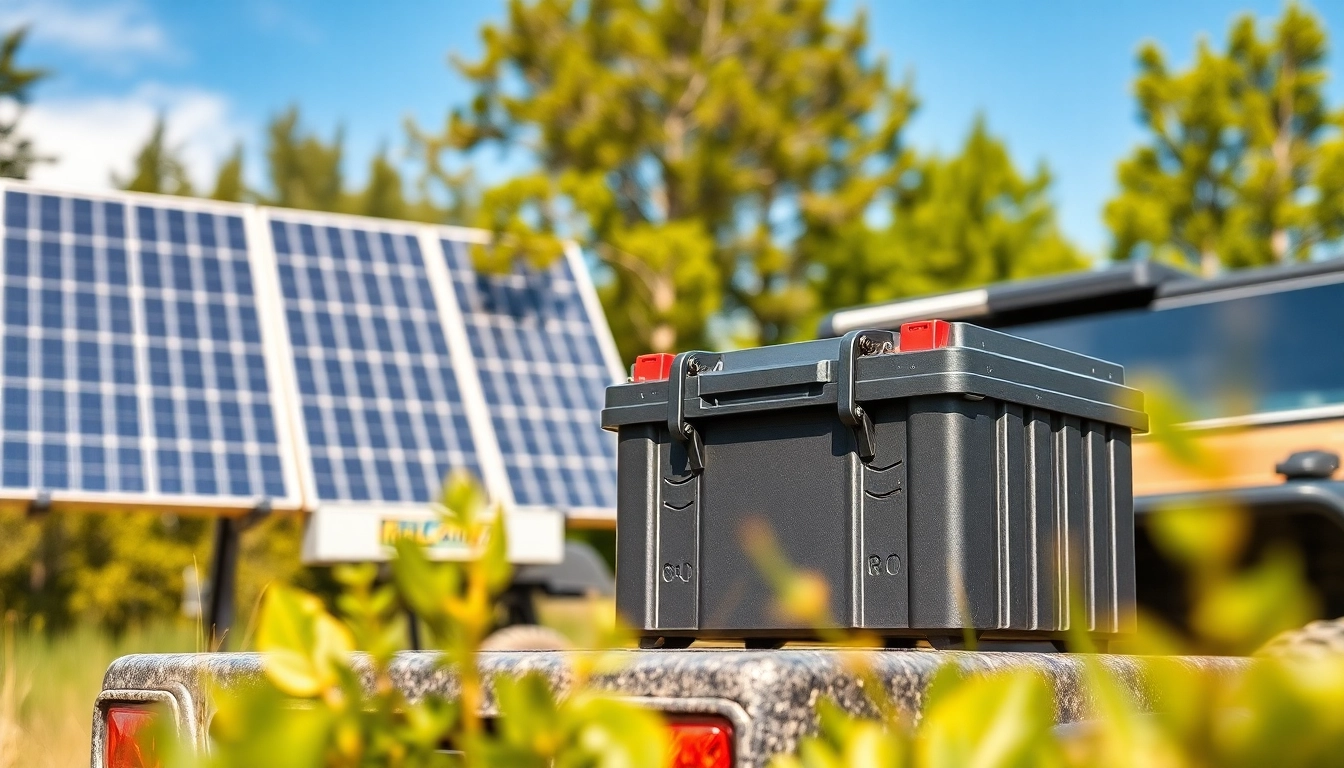
Understanding Lithium RV Batteries
What are Lithium RV Batteries?
Lithium RV batteries are advanced energy storage systems designed specifically for recreational vehicles. Unlike traditional lead-acid batteries, lithium batteries use lithium iron phosphate (LiFePO4) chemistry, which allows for higher energy density, longer lifespan, and lighter weight. These batteries provide reliable power for various RV applications, from running appliances to lighting systems, making them an increasingly popular choice among RV enthusiasts.
Benefits of Lithium RV Batteries Compared to Lead-Acid
The choice between lithium and lead-acid batteries is crucial for any RV owner. Here are the key benefits of lithium RV batteries:
- Longevity: Lithium batteries can last up to 10 years or more, depending on usage, while lead-acid batteries typically last 3-5 years.
- Weight: Lithium batteries are significantly lighter than their lead-acid counterparts, making them easier to install and manage in RVs.
- Depth of Discharge (DoD): Lithium batteries can be discharged much deeper (up to 80-90%) compared to lead-acid batteries (50-60%), allowing for more usable power.
- Charging Efficiency: They charge faster and have a higher efficiency rate, meaning less time waiting to recharge and more time enjoying your adventures.
- Safety: Lithium batteries are generally safer, as they have built-in Battery Management Systems (BMS) that protect against overcharging and overheating.
Common Applications for Lithium RV Batteries
Lithium RV batteries are versatile and can power various appliances and systems within an RV. Common applications include:
- Refrigeration: Keeping perishable food items fresh during your travels.
- Lighting: Providing energy-efficient LED lighting throughout your RV.
- Climate Control: Running air conditioning and heating systems for comfort in all seasons.
- Entertainment Systems: Powering TVs, satellite systems, and audio devices for entertainment on the road.
- Cooking Appliances: Supporting microwave ovens or cooking ranges for meal preparation.
Choosing the Right Lithium RV Battery
Factors to Consider When Selecting
Selecting the right lithium RV battery involves Vatrer Power understanding your unique power needs. Consider the following factors:
- Usage Patterns: Assess your typical energy consumption based on the appliances and systems you will power.
- Weight and Size: Ensure that the battery fits within your RV's designated space and does not exceed weight limits.
- Budget: While lithium batteries tend to be more cost-effective in the long run, the initial investment is higher than lead-acid alternatives.
- Manufacturer Reputation: Choose batteries from reputable manufacturers with good warranties and support services.
Battery Capacity and Size
Battery capacity is measured in amp-hours (Ah), indicating how much charge a battery can hold and deliver. When selecting your lithium RV battery, consider your energy needs:
- 100Ah Battery: Suitable for light use; powers small appliances and lights.
- 200Ah Battery: Good for moderate use; supports small to medium-sized appliances.
- 300Ah and Above: Ideal for heavy-duty use, capable of running larger systems and multiple appliances simultaneously.
Voltage Requirements for Different RVs
Most RVs operate on 12V electrical systems, but some larger or more advanced models may use 24V or even 48V systems. Ensure that the lithium battery you select is compatible with your RV’s voltage requirements to avoid performance issues. Common configurations include:
- 12V Batteries: Typically used in standard RVs for basic applications.
- 24V Batteries: Often found in larger RVs or those with more power-demanding systems.
- 48V Batteries: Used in high-performance applications for off-grid living or when utilizing power-hungry devices.
Installation Process for Lithium RV Batteries
Basic Tools and Equipment Needed
Installing lithium RV batteries requires some basic tools and knowledge. Here’s what you’ll need:
- Wrenches for battery terminal connections
- Wire cutters/strippers for preparing gauge wires
- Safety eyewear and gloves for protection
- Multimeter for testing connections and voltage
- Battery charger compatible with lithium technology
Step-by-Step Installation Guide
Here’s a simple guide to installing your lithium RV batteries:
- Disconnect Power: Ensure your RV is turned off and batteries are disconnected before starting.
- Remove Old Batteries: Take out any existing lead-acid batteries, and clean the battery compartment.
- Install Battery Tray: Place your new lithium battery in a secure battery tray designed for its size.
- Connect Wiring: Connect positive and negative leads securely, following the manufacturer's instructions to maintain correct polarity.
- Test Connections: Use a multimeter to ensure all connections are working before switching the system back on.
- Charge Battery: Charge the battery according to its specifications before use and ensure that your charger is compatible with lithium batteries.
Safety Measures When Installing
Safety should always be a top priority when working with electrical systems. Here are essential safety measures:
- Always wear protective gear, including gloves and eyewear.
- Ensure the area is well-ventilated and free from flammable materials.
- Check for any signs of wear or damage to wiring before installation.
- Follow the manufacturer's guidelines strictly, especially concerning handling and connection procedures.
Maintaining Your Lithium RV Battery
Daily Maintenance Tips
Regular maintenance helps to prolong the life of your lithium RV battery. Here are some daily maintenance tips:
- Monitor Charge Levels: Regularly check the state of charge (SoC) using your battery monitor system.
- Avoid Full Discharges: Try to keep your battery above 20% charge to enhance lifespan.
- Inspect Connections: Check for loose or corroded connections, tightening as necessary.
Signs of Deterioration to Watch For
Understanding the signs of deterioration will help you take action before serious issues arise. Look for:
- Drop in Performance: Noticeably reduced power output can indicate failing cells.
- Physical Damage: Look for swelling, leaking, or other visible signs of physical damage.
- Rapid Discharge: If the battery drains much quicker than usual, it may be reaching the end of its life.
How to Optimize Battery Lifespan
To maximize the lifespan of your lithium RV battery, implement the following strategies:
- Temperature Management: Keep your batteries in a temperature-controlled environment when possible.
- Regular Charging: Avoid letting the battery sit for extended periods without a charge.
- Smart Charging Practices: Use a charger specifically designed for lithium batteries to avoid overcharging.
Frequently Asked Questions about Lithium RV Batteries
Are lithium batteries worth upgrading for my RV?
Yes, upgrading to lithium batteries offers superior lifespan, faster charging, and greater energy availability than lead-acid, making them cost-effective for frequent RV users.
How long can a lithium battery power my RV fridge?
A 100Ah lithium battery can typically run a 12V RV fridge for 2-3.5 days, depending on power consumption and conditions. Calculating energy needs can enhance efficiency.
What’s the average lifespan of lithium RV batteries?
Lithium RV batteries generally have an average lifespan of 10 years or more, significantly exceeding the typical 3-5 years for lead-acid batteries.
Can I use lithium batteries with my existing RV equipment?
Most existing RV equipment can work with lithium batteries, but it’s essential to check compatibility with your specific systems to avoid potential issues.
Do lithium RV batteries require special chargers?
Yes, 12V 300Ah Lithium Battery require chargers designed for lithium technology to ensure safe and efficient charging, preventing overcharge and damage.