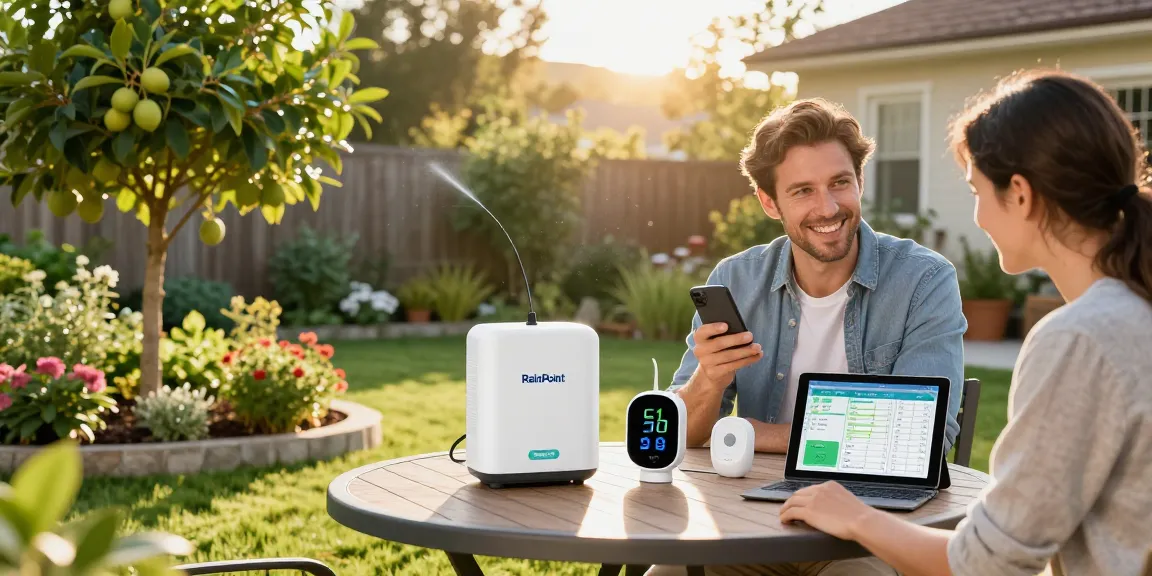
Understanding RainPoint WiFi Irrigation Systems
The modern gardener faces many challenges, from unpredictable weather patterns to water conservation concerns. With the rise of smart technology, innovations like rainpoint wifi irrigation systems emerge as reliable solutions. These systems offer users the ability to manage their gardens efficiently, ensuring plants receive the right amount of water while conserving resources.
What is RainPoint WiFi?
RainPoint WiFi is a cutting-edge irrigation system designed to automate watering schedules and optimize water usage in gardens and lawns. By integrating with your home network, RainPoint provides real-time data on soil moisture levels, weather forecasts, and water consumption statistics. This information empowers users to make informed decisions about their watering practices, contributing to healthier plants and reduced water waste.
Key Features and Benefits
- Smart Watering: Automatically adjusts watering schedules based on weather conditions and soil moisture levels.
- User-Friendly App: The RainPoint app allows for easy monitoring and configuration, ensuring optimal plant care.
- Soil Sensors: Advanced sensors that measure moisture content, helping to prevent overwatering or underwatering.
- Data Insights: Provides detailed reports on water usage, enabling users to track conservation efforts and optimize their gardening strategies.
How RainPoint Enhances Plant Growth
Plants thrive on consistent care, and RainPoint WiFi systems deliver just that. By providing precise watering based on actual needs rather than guesswork, these systems promote stronger root systems and healthier foliage. With features like predictive watering schedules, gardeners can ensure their plants receive ample hydration during dry spells while avoiding the detrimental effects of overwatering during rainy periods.
Setting Up Your RainPoint WiFi System
Installation Steps for Maximum Efficiency
Setting up a RainPoint WiFi system is straightforward. Here’s a step-by-step guide:
- Unpack the system components, including the timer, sensors, and connecting cables.
- Choose an appropriate location for the timer, ideally close to a water source and within WiFi range.
- Connect the timer to your water supply and install the soil sensors at the base of the plants you wish to monitor.
- Download the RainPoint app and follow the prompts to connect the system to your home WiFi network.
- Configure your watering schedule based on plant types and moisture requirements.
Connecting to WiFi: Troubleshooting Common Issues
While most users connect their RainPoint systems to WiFi effortlessly, some might encounter challenges. Here are some common issues and solutions:
- Weak Signal: If the signal is unstable, consider relocating your timer closer to the router or using a WiFi extender.
- App Connection Issues: Ensure that the app is updated to the latest version. Restart the app and your WiFi router if necessary.
- Compatibility: Verify that your network uses frequencies compatible with RainPoint, as some older routers may only support 2.4GHz bands.
Configuring App Settings for Optimal Performance
After installation, customizing the RainPoint app settings is essential for ensuring optimal performance:
- Watering Schedule: Set up a timetable that aligns with weather predictions and plant needs.
- Soil Sensitivity: Adjust the soil moisture threshold according to the specific requirements of different plants.
- Notifications: Enable alerts for watering times and system updates to stay informed about your garden’s health.
Water Conservation with RainPoint Technology
Understanding Water Use and Savings
Water conservation is increasingly critical in today's environmental landscape. RainPoint technology aids in reducing water waste by using sensors to determine the precise moisture levels in the soil. For instance, the data collected can reveal how much water each plant requires at different times of the year, leading to significant water savings.
How to Monitor Your Water Consumption
One of the innovative features of RainPoint systems is the ability to track water use over time. By analyzing this data through the app, gardeners can identify trends and make necessary adjustments to their watering systems. For example, if the system detects that a particular zone is consistently using more water than others, it may indicate that adjustments are needed to improve efficiency.
Practical Tips for Efficient Watering
- Water Early or Late: Watering during cooler parts of the day reduces evaporation.
- Group Plants by Water Needs: Organize plants with similar moisture requirements together to streamline watering schedules.
- Mulch Beds: Adding mulch can help retain soil moisture, reducing the frequency of watering needed.
Real-Life Success Stories from RainPoint Users
Case Studies: Thriving Gardens with RainPoint
Numerous gardeners have shared their success stories using RainPoint products. For example, a user managing a 2200 square meter property saw impressive growth in a variety of plants, including 27 recently planted trees. The detailed water consumption data provided by the RainPoint timer helped the owner understand the balance needed for optimal growth without excessive waste.
Customer Testimonials on Ease of Use
The feedback from RainPoint users highlights how simple the systems are to integrate into daily life. Many users appreciate the 'set it and forget it' capability that allows them to focus on enjoying their gardens rather than maintaining them.
Before and After: The Impact of Smart Watering
Visual transformations in gardens managed by RainPoint systems illustrate the effectiveness of smart watering techniques. Users report vibrant blooms, healthy foliage, and a more sustainable approach to gardening, all thanks to the precise, data-driven watering provided by their RainPoint systems.
Future Trends in Smart Irrigation (2026 and Beyond)
Emerging Technology in Home Gardening
The future of home gardening is poised for innovation, with smart technologies becoming more prevalent. Artificial intelligence and machine learning are expected to play significant roles in predicting plant needs and automating care even further. Advancements in sensor technology may also lead to better accuracy in moisture measurement, enhancing the efficiency of systems like RainPoint.
Predictions for Sustainable Water Management
As water scarcity becomes a pressing global issue, sustainable water management practices will be essential. Smart irrigation systems like RainPoint will likely lead the way, enabling homeowners to be responsible stewards of water resources. This shift will also encourage gardening practices that prioritize ecological balance and sustainability.
Adapting to Climate Change: Smart Solutions
Climate change is likely to affect gardening practices significantly. Smart irrigation solutions can adapt to these changes by using weather data to modify watering schedules. RainPoint systems, for example, can automatically reduce watering during periods of rainfall, ensuring water efficiency even in unpredictable climates.
What are the advantages of using RainPoint WiFi systems?
RainPoint WiFi systems offer numerous advantages, including precise watering, reduced water waste, and real-time monitoring capabilities. These features not only promote plant health but also contribute to overall water conservation efforts.
How does RainPoint help in effective garden management?
By providing actionable data and automating irrigation tasks, RainPoint streamlines garden management. Users can set up specific schedules and moisture levels, ensuring that plants receive the care they need without manual intervention.
What common problems can I expect when installing RainPoint WiFi?
Some common issues faced during installation include connectivity problems with WiFi and sensor placement challenges. However, these issues are usually resolvable with basic troubleshooting techniques.
What features set RainPoint apart from traditional irrigation?
Unlike traditional irrigation systems that can be easily mismanaged, RainPoint uses technology to optimize watering based on actual needs, reducing the likelihood of over- or underwatering.
How can I get the most out of my RainPoint WiFi system?
To maximize the benefits of your RainPoint WiFi system, regularly monitor data from the app, adjust settings based on seasonal changes, and ensure soil sensors are properly placed to reflect the needs of your plants.