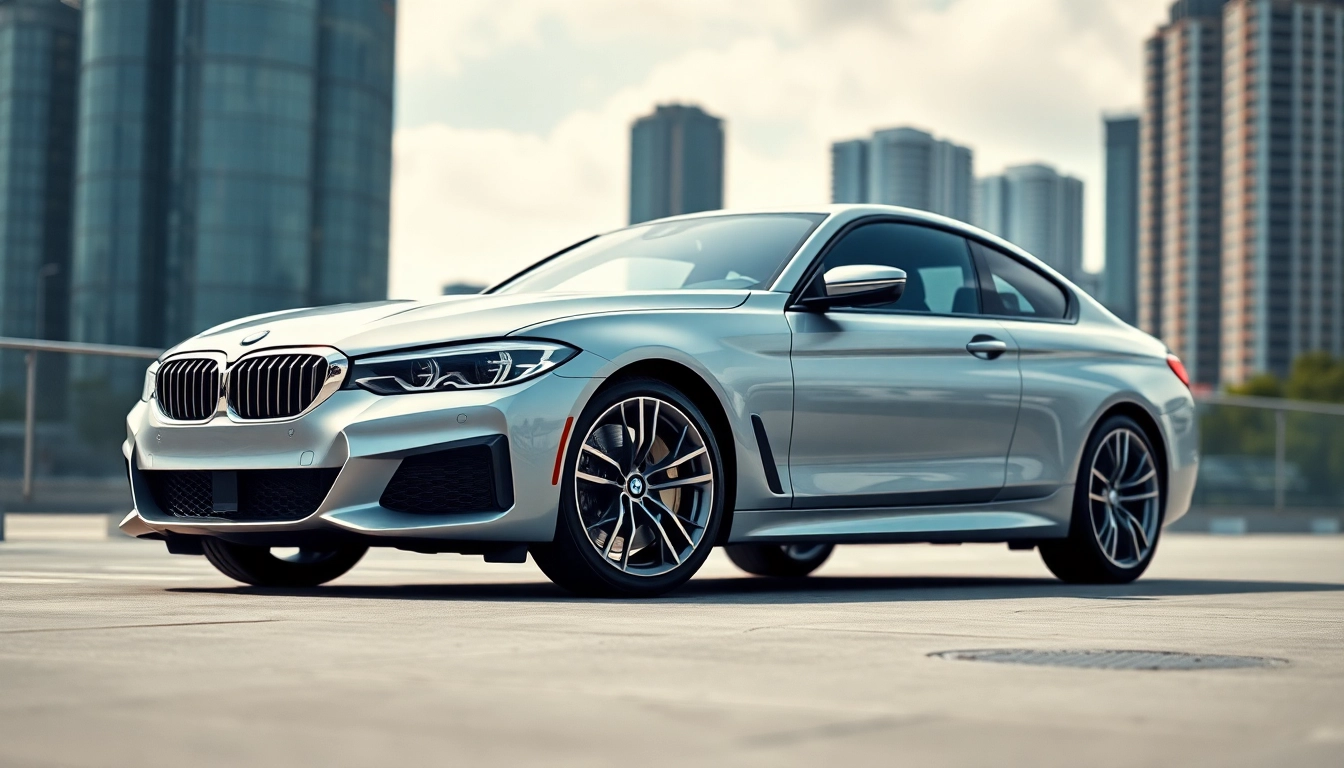
Understanding the Luxury BMW Car Market
The Luxury BMW car market is a dynamic and evolving segment of the automobile industry. It stands as a testament to sophistication, performance, and cutting-edge technology. In this section, we will explore the current trends in luxury automobiles, key features that define luxury BMW cars, and factors influencing their pricing.
Current Trends in Luxury Automobiles
The luxury automobile market has been witnessing significant shifts due to changing consumer preferences and advancements in technology. Sustainability has become a primary focus, with both manufacturers and buyers gravitating towards electric and hybrid vehicles. Luxury BMW cars are at the forefront of this trend, with models that not only offer opulence but also emphasize eco-friendliness. Additionally, there is a growing demand for personalized experiences and digital integration, where technologies such as augmented reality and AI play crucial roles.
Key Features of Luxury BMW Cars
Luxury BMW cars are renowned for their exceptional engineering and design. Key features include:
- Powerful Performance: Advanced engines and responsive handling provide exhilarating driving experiences.
- Cutting-Edge Technology: Integration of connectivity features such as smart navigation, and onboard assistants enhance user convenience.
- Intuitive Safety Systems: Comprehensive safety packages include advanced driver-assistance systems that ensure superior safety on the road.
- Luxurious Interiors: High-quality materials, customizable options, and innovative design elements create a comfortable and stylish driving environment.
Factors Influencing Price in Luxury BMW Cars
The pricing of luxury BMW cars is influenced by numerous factors:
- Model and Trim Level: Higher trim levels with additional features command significantly higher prices.
- Technology Integration: Advanced tech features such as autonomous driving capabilities or luxury entertainment systems can elevate price points.
- Customization Options: Unique paint colors, interior materials, and bespoke features can further add to the cost.
- Market Demand: Economic factors and brand reputation also play vital roles in setting the price.
Performance Characteristics of Luxury BMW Cars
Performance is a cornerstone of the luxury automobile landscape, especially for brands like BMW that prioritize driving pleasure. This section will delve into the engine specifications, driving experiences, and how luxury BMW cars stack up against their competitors.
Engine Specifications and Power Dynamics
Luxury BMW cars boast a variety of engine configurations, from efficient turbocharged four-cylinders to powerful V8s, catering to diverse consumer preferences. For example, the latest models often feature hybrid systems that combine combustion engines with electric motors for enhanced performance and reduced emissions. The power dynamics of these engines ensure not just robust acceleration but also refined handling characteristics that enhance the overall driving experience.
Driving Experience and Comfort Features
One of the defining aspects of driving a luxury BMW car is the seamless blend of power and comfort. Features such as adaptive suspension systems and active steering improve driving dynamics, while noise insulation and climate control systems maintain cabin tranquility. Advanced ergonomics in seating and controls also contribute to an overall luxurious driving experience that prioritizes both performance and comfort.
Comparative Analysis with Other Luxury Cars
When compared to other luxury automobile offerings, BMW consistently ranks high in performance. It features a unique fusion of sporty handling with luxurious comfort that appeals to driving enthusiasts. In addition, innovations in materials and technology often set it apart from peers. While some competitors focus on luxury or technology alone, BMW manages to integrate both seamlessly, creating a well-rounded experience.
Design & Aesthetics of Luxury BMW Cars
Design is a vital component of what makes a luxury car desirable. In this section, we will explore the innovations in exterior design, the luxury of interior spaces, and the possibilities for personalization.
Exterior Design Innovations
Luxury BMW cars feature bold designs that prioritize both aesthetics and aerodynamics. Distinctive kidney grilles, sleek lines, and innovative lighting technology symbolize modern luxury. The exterior materials used in manufacturing enhance durability while keeping weight low, improving performance. Each model reflects a thoughtful approach to design, balancing elegance with athleticism.
Interior Luxury and Technology Integration
Inside, luxury BMW cars redefine automotive interiors with high-quality materials such as leather, wood, and metals that create a warm ambiance. Advanced technology like 12-inch screens, seamless smartphone connectivity, and multifunctional steering wheels enhance usability and control. Customizable ambient lighting and premium sound systems further enhance the sensory experience.
Personalization and Customization Options
Luxury BMW cars offer extensive personalization options, allowing owners to tailor vehicles to their particular tastes. From color choices to bespoke interior packages, buyers can create a vehicle that reflects their personality. This level of customization not only adds value but also deepens the emotional connection between the buyer and their new luxury BMW car.
Buying a Luxury BMW Car: What to Consider
When it comes to purchasing a luxury BMW car, potential buyers should consider several strategic elements to ensure they make an informed decision. This section outlines crucial aspects like new vs. pre-owned cars, financing options, and engaging with dealers.
New vs. Pre-Owned Luxury BMW Cars
Purchasing new versus pre-owned comes with its advantages and disadvantages. New luxury BMW cars often come with the latest technology and warranties, while pre-owned models can offer significant savings. Buyers should evaluate their budget, desired vehicle features, and long-term ownership costs when choosing between the two.
Financing and Insurance Considerations
Financing a luxury BMW car requires careful consideration of interest rates, loan terms, and potential down payments. Premium insurance coverage is also essential given the higher value of luxury vehicles. Understanding full ownership costs, including maintenance and repairs, will facilitate a better budgetary outlook.
Partnering with Dealers and Showrooms
Partnering with reputable dealers and showrooms is crucial in the buying process. An ideal dealership provides transparency, knowledgeable staff, and robust after-sales support. Engaging with dealers can also give buyers access to exclusive deals, services, and information about upcoming models.
FAQs about Luxury BMW Cars
Common Questions Answered
What is the average price of a luxury BMW car?
The average price ranges significantly based on the model and features, generally starting around $40,000 for entry-level models and can exceed $100,000 for high-end luxury options.
How fuel-efficient are luxury BMW cars?
Fuel efficiency varies across models. Newer hybrid and electric BMW options offer improved fuel economy, averaging between 20-60 miles per gallon depending on the model and driving conditions.
Are luxury BMW cars reliable?
Luxury BMW cars are known for their engineering quality, and many models rank highly for reliability, though regular maintenance is crucial to keeping them in optimal condition.
What safety features are standard in luxury BMW cars?
Standard safety features include forward collision warning, automatic emergency braking, and lane departure alerts, among other advanced driver assistance systems.
Do luxury BMW cars retain value well over time?
Luxury BMW cars generally retain value comparably well, especially desirable models. Depreciation rates can vary, influenced by factors such as market demand and overall vehicle condition.