Understanding TradingView: A Comprehensive Overview
In the fast-paced world of trading, the ability to analyze market movements effectively is crucial for success. TradingView stands out as a powerful platform that not only allows traders to visualize charts and indicators but also integrates various functionalities to streamline the trading process. This comprehensive overview will explore what TradingView is, its key features, and why it has become a preferred choice among traders worldwide.
What is TradingView and How Does It Work?
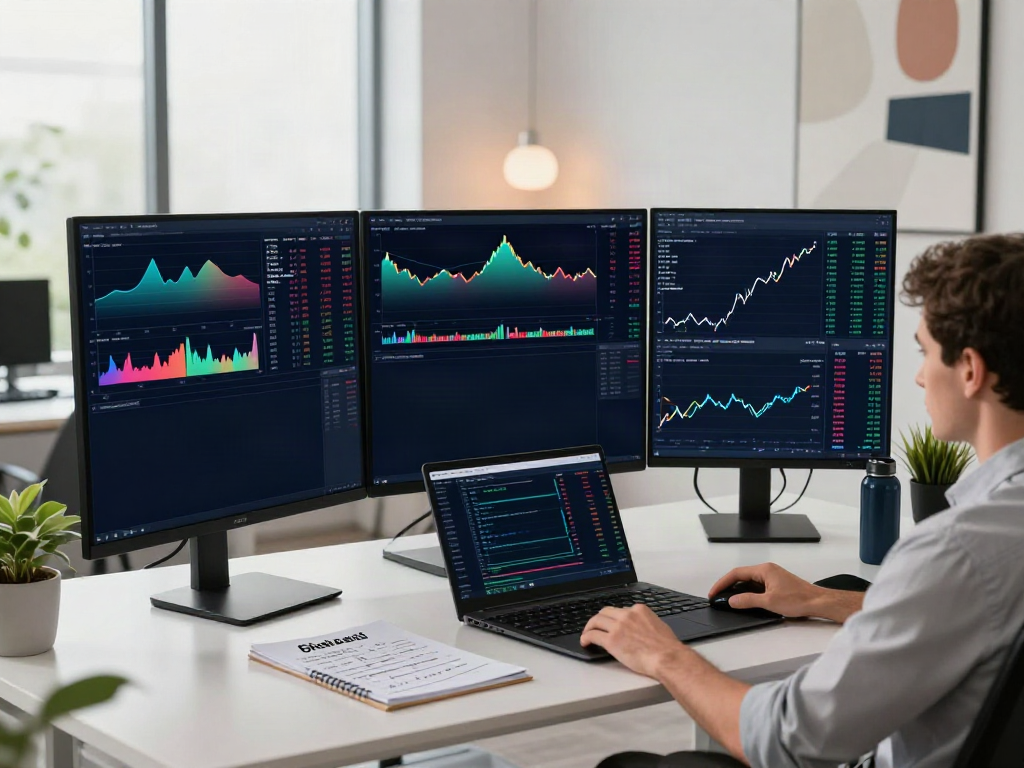
TradingView is a social network for traders and investors that provides a platform to share and analyze market data through interactive charts. It caters to various asset classes, including stocks, forex, cryptocurrencies, and derivatives, making it a versatile tool for any trader. The platform is web-based, which means it can be used from any device without the need for software installation.
Users can create customizable watchlists, analyze real-time price data, and utilize a wide array of technical indicators. The community aspect allows traders to share their strategies and analyses, fostering a collaborative environment where users can learn from one another.
The Key Features of TradingView for Traders
TradingView boasts an impressive suite of features designed to enhance the trading experience:
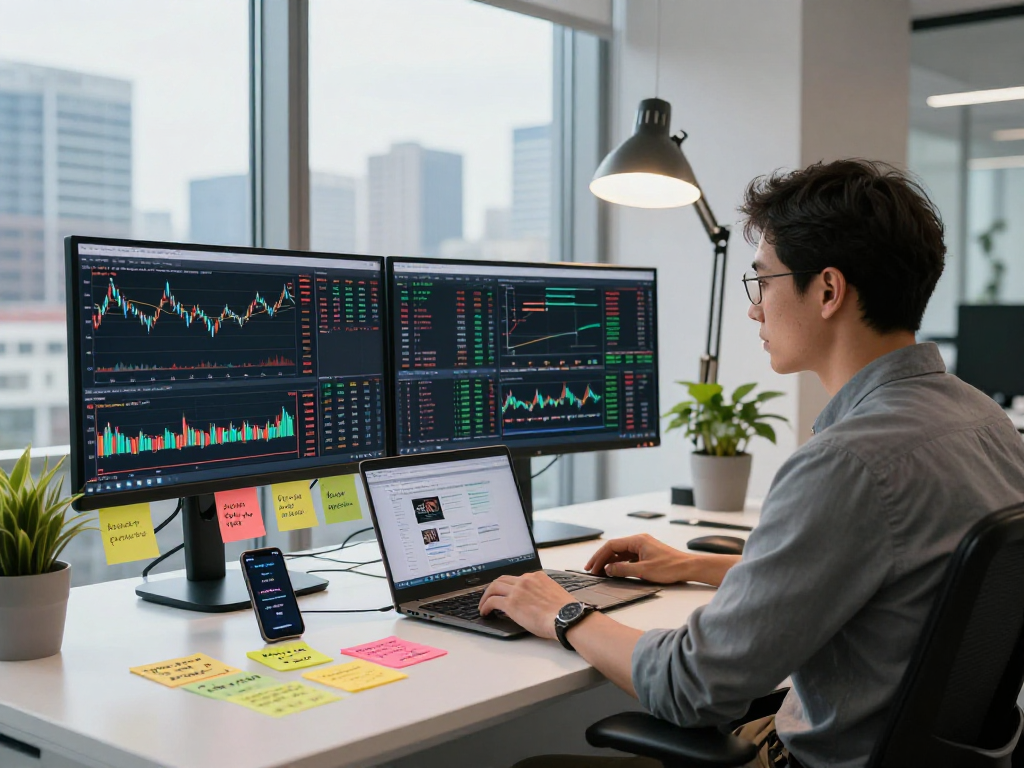
- Multiple Chart Layouts: Users can view multiple charts simultaneously, allowing for comprehensive analysis across different time frames.
- Technical Indicators: The platform supports a plethora of indicators, including moving averages, MACD, and RSI, aiding traders in making informed decisions.
- Pine Script: A unique scripting language that enables users to create custom indicators and strategies tailored to their trading preferences.
- Alerts and Notifications: Traders can set alerts based on specific conditions, ensuring they stay updated on market movements without constant monitoring.
- Economic Calendar: Stay informed about significant economic events that could impact market volatility.
Why Traders Prefer TradingView Over Other Platforms
One of the main reasons traders prefer TradingView is its user-friendly interface combined with advanced functionality. Unlike traditional trading platforms that may feel clunky or overwhelming, TradingView offers a clean, minimalist design that enhances user experience. Additionally, its ability to integrate social features allows users to engage with a global community, sharing insights and strategies that can elevate their trading game.
The platform’s flexibility to accommodate both novice and experienced traders is also noteworthy. Beginners benefit from accessible educational resources and community support, while seasoned traders enjoy advanced tools and customization options.
Setting Up Your TradingView Account Effectively
Step-by-Step Guide to Registering on TradingView
Setting up your TradingView account is straightforward:
- Visit the TradingView website.
- Click on the "Join for Free" button.
- Fill in your details, or sign up using your Google or Facebook account for quicker access.
- Confirm your email address to activate your account.
Customizing Your TradingView Dashboard for Success
Once registered, customizing your dashboard to fit your trading style is essential. TradingView allows users to:
- Choose from various layouts for your charts.
- Select specific indicators and tools that you find most useful.
- Create watchlists of assets you want to monitor closely.
Exploring TradingView’s Alerts and Notifications System
The alerts feature on TradingView is a game changer for traders. You can set up notifications for any charting condition, such as price level changes or moving average crossovers. This ensures you never miss significant market changes, enabling faster reaction times in your trading strategy.
Developing Effective Trading Strategies on TradingView
Leveraging Technical Analysis Tools within TradingView
Technical analysis is at the core of trading strategies, and TradingView offers the tools necessary for thorough analysis. By using features like:
- Trend lines and Fibonacci retracement tools to identify key support and resistance levels.
- Volume and momentum indicators to gauge market sentiment.
- Customizable chart types (candlestick, line, and bar) for an optimal viewing experience.
These tools combined can help traders develop a well-rounded strategy that considers various market factors.
Creating Custom Scripts with Pine Script for Precision Trading
Pine Script is one of TradingView’s standout features, allowing users to write their own custom indicators and backtesting strategies. With Pine Script, traders can:
- Develop specific trading rules and conditions based on their unique insights.
- Backtest these strategies against historical data to evaluate their effectiveness.
- Share scripts within the TradingView community, enabling collaborative improvements and learning.
Utilizing Community Ideas for Enhanced Strategy Building
The community aspect of TradingView extends beyond mere social interaction. Users can browse and use ideas shared by other traders, gaining insights into different strategies and methodologies. By analyzing community strategies, you can refine your approach and discover new methods of market analysis.
Best Practices for Analyzing Markets with TradingView
How to Analyze Stocks, Forex, and Cryptocurrencies on TradingView
Whether you’re a stock, forex, or cryptocurrency trader, TradingView provides tools to analyze all asset classes effectively:
- Use the built-in screener to filter stocks by criteria such as market capitalization, sector, and performance.
- For forex traders, utilize currency pair profiles to track major global currencies.
- Crypto traders can monitor trends in various cryptocurrencies, including altcoins and stablecoins.
Using Heat Maps and Screener Tools for Market Insights
Heat maps visually represent market movements, making it easier to identify which assets are hot or cold. Traders can use screener tools to isolate promising investments based on technical indicators, price movements, and overall market trends.
Real-World Examples of Successful Traders Using TradingView
Many successful traders utilize TradingView to implement their strategies effectively. For example, a trader might use a combination of RSI and MACD indicators to determine entry and exit points, refining their trades with insights from community ideas. This collaborative and data-driven approach allows for continuous improvement and strategy optimization.
Future Trends: What’s Next for TradingView?
Emerging Features and Updates in TradingView for 2026
As the trading landscape evolves, so does TradingView. Upcoming features may include enhanced AI-driven analytics, increasing automation in trading strategies, and expanded social features that allow for deeper community interactions. These updates will likely provide traders with even more powerful tools to harness the market effectively.
Integrating Artificial Intelligence into Trading Decisions
AI integration is anticipated to enhance TradingView’s offerings, allowing for smarter decision-making based on vast data analysis. By leveraging machine learning algorithms, traders could receive personalized insights and predictive analytics tailored to their specific trading patterns.
Predictions for TradingView’s Role in the Future of Trading
Looking ahead, TradingView is poised to play a crucial role in the democratization of trading knowledge. As more individuals enter the trading space, platforms like TradingView will continue to bridge information gaps, empowering users with the tools and knowledge they need to succeed in financial markets.
Is TradingView actually free?
While TradingView offers a free tier with basic features, premium subscriptions provide expanded functionality, including advanced indicators and more extensive customization options, which many serious traders might find beneficial.
Can you make $1000 a day with day trading?
While it's theoretically possible to make significant profits in day trading, it requires a solid strategy, risk management, and market experience. Many factors impact profitability, including market volatility and trading discipline.
Can you trust TradingView?
TradingView is widely regarded as a reliable platform. Its robust community, security measures, and comprehensive data services contribute to its reputation as a trusted resource for traders.
What's better than TradingView?
While various platforms offer similar features, the choice between them usually comes down to personal preference and specific trading needs. Platforms like MetaTrader and Thinkorswim provide alternative functionalities, but TradingView’s community and user interface differentiate it significantly.