Understanding DMSO for Dogs
What is DMSO?
Dimethyl sulfoxide (DMSO) is an organic compound that has gained popularity in veterinary medicine, particularly for its anti-inflammatory and analgesic properties. Initially developed as a solvent, DMSO's ability to penetrate biological membranes and enhance the absorption of other medications has made it a versatile tool in treating various ailments in both humans and animals. Its unique characteristics allow it to be applied topically, making it particularly useful for managing pain and inflammation in dogs.
Common Uses of DMSO for Dogs
DMSO is used in veterinary practices primarily for its ability to reduce swelling and promote healing. Some common applications in dogs include:
- Arthritis: DMSO can be used to alleviate symptoms of arthritis by reducing inflammation in the joints.
- Skin Conditions: Conditions such as acral lick dermatitis and calcinosis cutis have shown improvement with DMSO application.
- Post-Surgical Recovery: Using DMSO may aid in a faster recovery from surgery by decreasing inflammation around surgical sites.
- Muscle Injuries and Strains: DMSO helps with muscle recovery by mitigating swelling and pain from injuries.
Benefits of DMSO for Dogs
The benefits of dmso for dogs are numerous. These include:
- Rapid Pain Relief: DMSO is known for its quick onset of action, providing fast relief from pain and discomfort.
- Reduction in Inflammation: It acts effectively to decrease inflammation, making it great for conditions like arthritis or post-injury swelling.
- Enhancing Medication Absorption: DMSO can facilitate the absorption of other medications, allowing for more effective treatment when combined with other therapies.
- Cost-Effective Treatment: Compared to many traditional medications, DMSO is relatively inexpensive, making it accessible for pet owners seeking relief for their pets.
How to Use DMSO for Dogs Safely
Dosage Guidelines
When using DMSO for dogs, it is crucial to adhere to proper dosage guidelines to prevent adverse effects. The typical dosage involves topical application of DMSO, which can be done every 6 hours as needed. It’s advisable not to exceed 20 grams per day, and therapy should generally extend no longer than 14 days. However, consulting with a veterinarian prior to beginning treatment is essential for determining the appropriate dosage based on your dog's specific condition and weight.
Application Methods
There are various methods for applying DMSO to dogs:
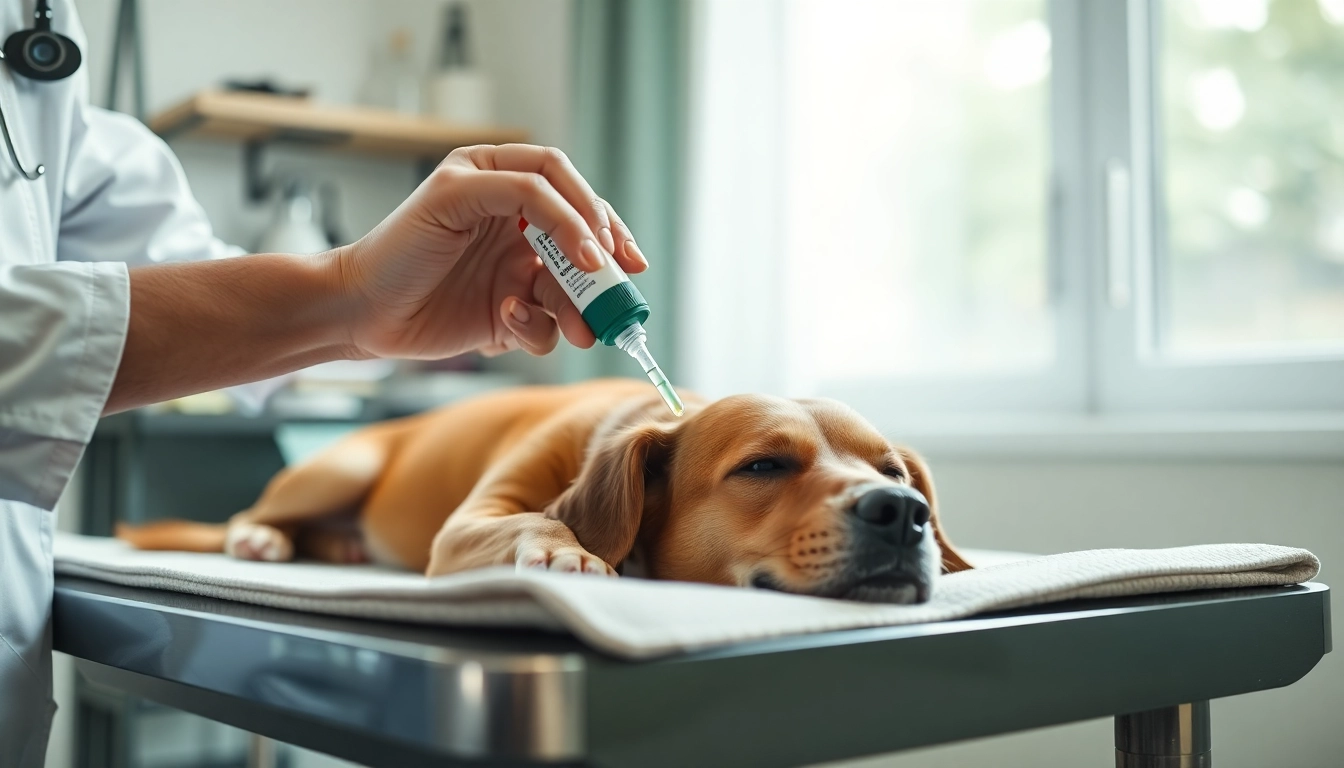
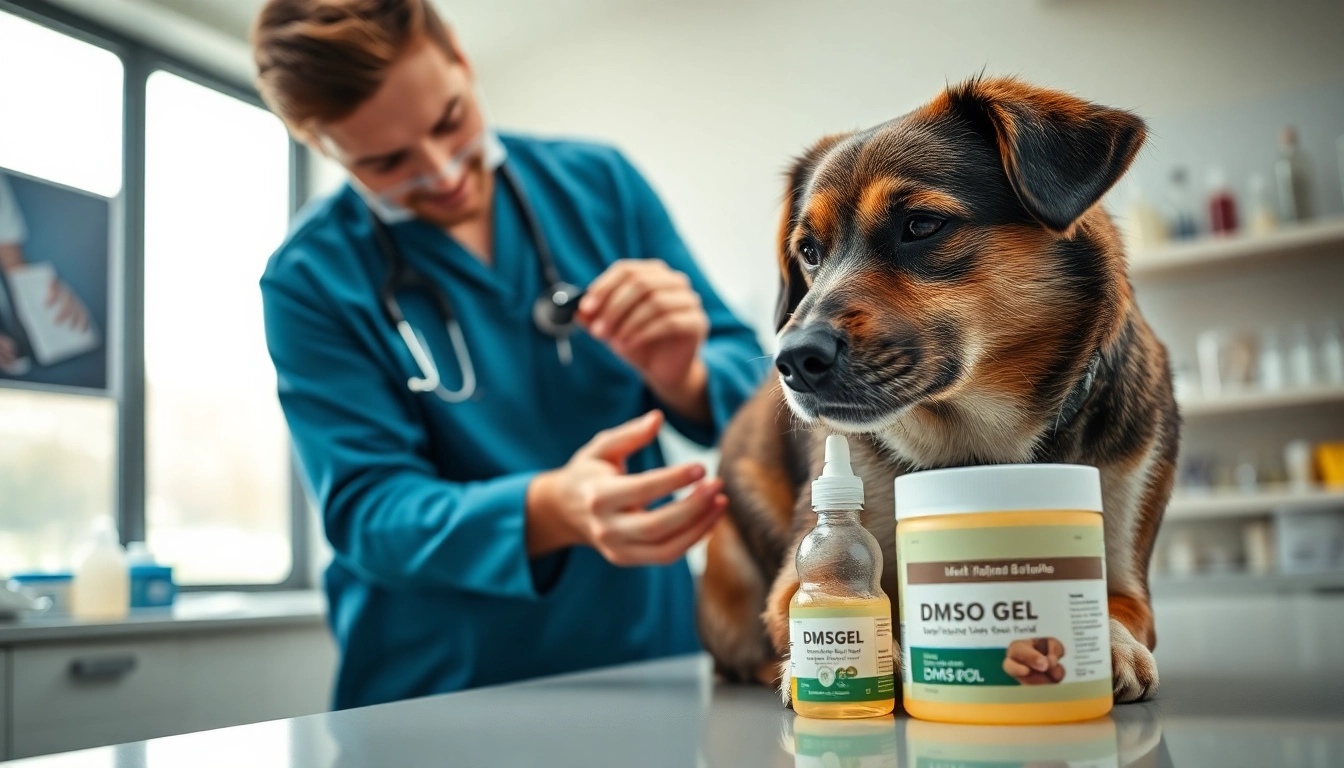
- Topical Gel or Liquid: DMSO is commonly available in gel or liquid form. For topical application, clean the affected area, apply DMSO liberally, and gently rub it into the skin. Use gloves to prevent skin absorption on your part.
- Roll-On Application: A roll-on DMSO formulation provides an easy and convenient way to apply the treatment, especially on small, localized areas.
- Injections: In some cases, DMSO can be administered via injection. This method should only be performed by a veterinarian.
Potential Side Effects
While DMSO is generally considered safe, potential side effects can occur, including:
- Skin irritation at the application site.
- Unusual odor after application.
- Temporary changes in blood pressure.
In rare cases, allergic reactions can occur, so monitor your dog closely after the first application. If you notice any severe reactions, consult a veterinarian immediately.
Comparing DMSO with Other Treatments
DMSO vs. Traditional Medications
When comparing DMSO with traditional medications such as NSAIDs or corticosteroids, DMSO presents a compelling alternative. Unlike many prescription medications, DMSO does not have the same level of side effects associated with long-term use, such as gastrointestinal issues or organ damage. DMSO’s unique capacity to penetrate tissues and act rapidly also sets it apart as a valuable treatment option.
Complementary Therapies
DMSO can be used alongside other treatments for an enhanced effect. For instance, pairing DMSO with physical therapy can improve mobility and comfort in dogs recovering from injuries. It can also be used in conjunction with glucosamine supplements to promote joint health, leading to better overall outcomes.
Success Stories with DMSO for Dogs
Numerous dog owners have reported positive experiences when using DMSO to treat their pets. Many have shared stories of older dogs regaining their mobility and being able to enjoy life again with the help of DMSO applications. In some cases, dogs suffering from chronic skin conditions have experienced significant improvements, showcasing the compound’s versatility as a pet treatment.
Frequently Asked Questions about DMSO for Dogs
What are the symptoms that DMSO treats?
DMSO primarily treats pain, inflammation, skin conditions, muscle strains, and arthritis in dogs.
How often can I apply DMSO?
DMSO can be applied topically every 6 hours, but not exceeding 20 grams per day. Always consult your vet for specific guidelines.
Is DMSO safe for all dog breeds?
While DMSO is generally safe, response can vary by breed and individual health status. It's best to consult a veterinarian before use.
Can DMSO be combined with other treatments?
Yes, DMSO can be effectively combined with other therapies, such as glucosamine supplements and physical therapy, for enhanced results.
How should DMSO be stored?
Store DMSO in a cool, dark place, away from heat sources. Ensure the container is tightly sealed to prevent contamination.
Conclusion: Is DMSO Right for Your Dog?
Final Considerations
Ultimately, the decision to use DMSO for your dog should be made with careful consideration of their specific condition, health status, and the advice of a veterinarian. While DMSO offers many potential benefits, it is not a universal remedy and should be used responsibly.
Consulting Your Veterinarian
Your veterinarian is the best resource for determining whether DMSO is suitable for your dog. They can provide guidance on proper usage, dosage, and potential interactions with other medications your pet may be taking.
Community Experiences and Recommendations
Engaging with other dog owners who have used DMSO can provide valuable insights and tips. Online forums and local pet communities often share personal experiences that can guide your use of this treatment. As always, prioritize your pet's wellbeing and seek professional advice when in doubt.