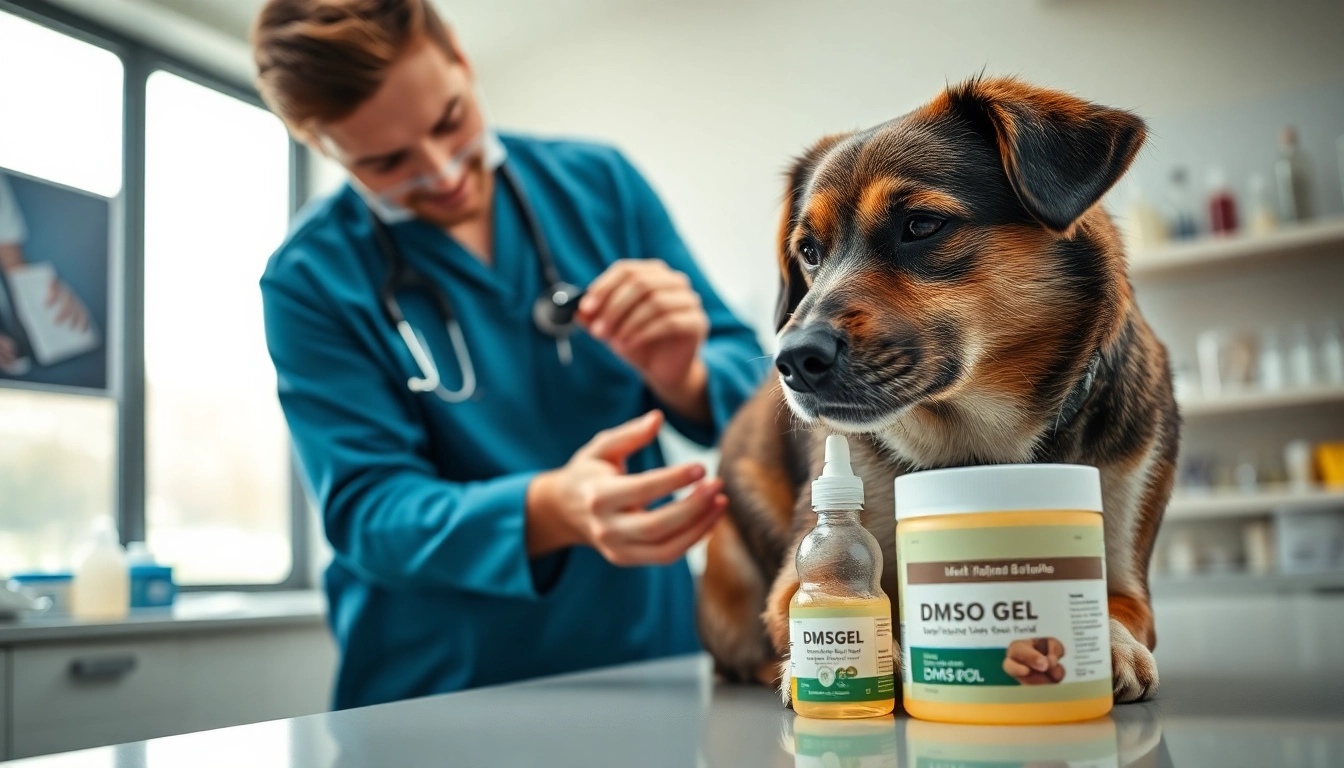
Introduction to DMSO for Dogs
Dimethyl Sulfoxide (DMSO) is a colorless liquid with a wide range of therapeutic applications, particularly in veterinary medicine. Increasingly, pet owners and veterinarians are exploring dmso for dogs as a potential remedy for various ailments in canines. This substance is not only known for its effectiveness in reducing inflammation and pain but also for its unique ability to penetrate biological membranes, allowing for swift therapeutic actions.
What is DMSO?
DMSO is a byproduct of wood pulp processing, initially developed as a solvent. Its medical relevance stems from its capacity to transport drugs through the skin and tissues, making it valuable in both human and veterinary medicine. In dogs, DMSO serves as an anti-inflammatory agent, analgesic, and an adjuvant that enhances the efficacy of other medications.
Purpose of DMSO in Canine Health
The use of DMSO in canine health targets various conditions, primarily orthopedic issues, skin irritations, and even some forms of cancer treatment. The increasing acceptance of DMSO among veterinarians demonstrates its potential benefits, particularly for dogs suffering from arthritis, injuries, and acute inflammation.
Common Conditions Treated with DMSO
- Arthritis: DMSO is often utilized to relieve pain and inflammation caused by arthritis in dogs.
- Skin Conditions: It has shown efficacy in treating skin problems like acral lick dermatitis and calcinosis cutis.
- Post-Surgical Recovery: DMSO can aid in diminishing swelling and promoting healing following surgical procedures.
- Muscle and Joint Injuries: It is applied to reduce pain and promote recovery from various injuries.
- Cancer Treatments: In some cases, DMSO is involved in protocols treating certain cancers due to its properties.
Benefits of Using DMSO for Dogs
Anti-Inflammatory Properties
The primary benefit of DMSO is its anti-inflammatory action. It inhibits inflammatory mediators and modulates the immune response, which can be beneficial for dogs suffering from conditions like arthritis and other inflammatory joint diseases. The rapid anti-inflammatory effects of DMSO can bring significant relief to affected dogs.
Pain Relief Mechanisms
DMSO interacts with peripheral pain receptors, assisting in pain management through both its anti-inflammatory properties and the direct modulation of the pain signaling pathway. Furthermore, its ability to enhance the penetration of other analgesic drugs can optimize pain relief strategies for dogs.
Facilitating Drug Absorption
One of the most unique aspects of DMSO is its ability to enhance the absorption of other medications. It serves as a vehicle for topical applications, allowing other drugs to penetrate deeply into tissues. This quality can be particularly valuable when administering medications to dogs that are prone to skin conditions or have joint pain.
How to Administer DMSO for Dogs
Topical Application Methods
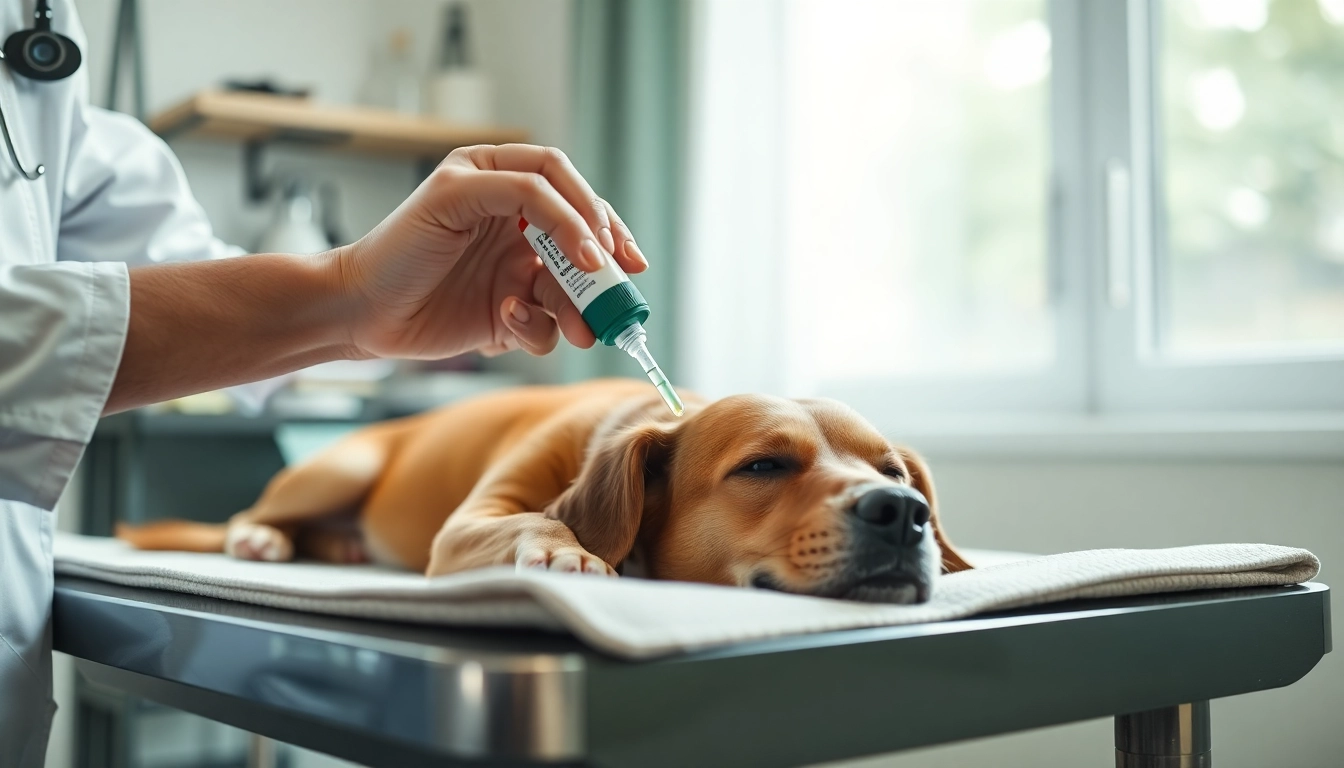
DMSO is most commonly administered topically. The most effective method is to apply it directly to the affected area, ensuring the skin is clean and free from irritants. A gel or liquid formulation can be used, though care must be taken to avoid contact with the dog's eyes or mouth.
Dosage Guidelines for Dogs
The recommended dosage of DMSO for dogs varies based on the condition being treated. Generally, a liberal application of topical DMSO is advised, with veterinary guidance usually recommending not exceeding 20 grams per day for an average-sized dog. Always consult with a veterinarian before initiating treatment to establish the appropriate dosage according to your dog's weight and medical condition.
Frequency of Administration
DMSO can typically be administered up to every 6 hours, depending on the severity of the condition and veterinary advice. It is essential to monitor the dog's response to treatment and adjust the frequency as necessary. Treatment duration should be limited to 14 days unless directed otherwise by a veterinarian.
Potential Risks and Side Effects of DMSO
Allergic Reactions in Dogs
While many dogs tolerate DMSO well, some may experience allergic reactions, which can include skin irritations or systemic reactions. Symptoms might range from mild itching to severe anaphylaxis in rare cases. It is crucial for pet owners to observe their dogs closely after administering DMSO and report any adverse effects to their veterinarian.
Impact on Other Medications
DMSO’s unique property of enhancing membrane permeability can also have implications when used in conjunction with other medications. It may increase the absorption and potential side effects of concurrent drugs. This interaction underscores the importance of consulting with a veterinarian before combining DMSO with other treatments.
Long-Term Use Considerations
Long-term use of DMSO has not been extensively studied in canines, raising concerns about potential cumulative effects and possible toxicity. It's advisable to use DMSO judiciously and take periodic breaks from treatment as recommended by a veterinarian to mitigate risks associated with prolonged usage.
FAQs about DMSO for Dogs
What is the recommended dosage of DMSO for dogs?
Typical dosages are based on the dog's size and condition; consult a veterinarian. Generally, use liberal topical applications, not exceeding 20 grams per day.
Can DMSO be mixed with other medications?
DMSO can enhance the absorption of other drugs. However, it's crucial to consult a veterinarian before combining treatments to avoid unintended reactions.
Is DMSO safe for all dog breeds?
DMSO is generally safe for most breeds, but sensitivity may vary. Consulting a veterinarian before starting treatment is essential for safety.
How long does it take to see results?
Some dogs may experience relief within hours of application, while others might take longer. Consult a veterinarian if results are not observed within a few days.
What are the signs of an allergic reaction to DMSO?
Signs include itching, swelling, difficulty breathing, or hives. If any reactions occur, stop usage immediately and seek veterinary assistance.