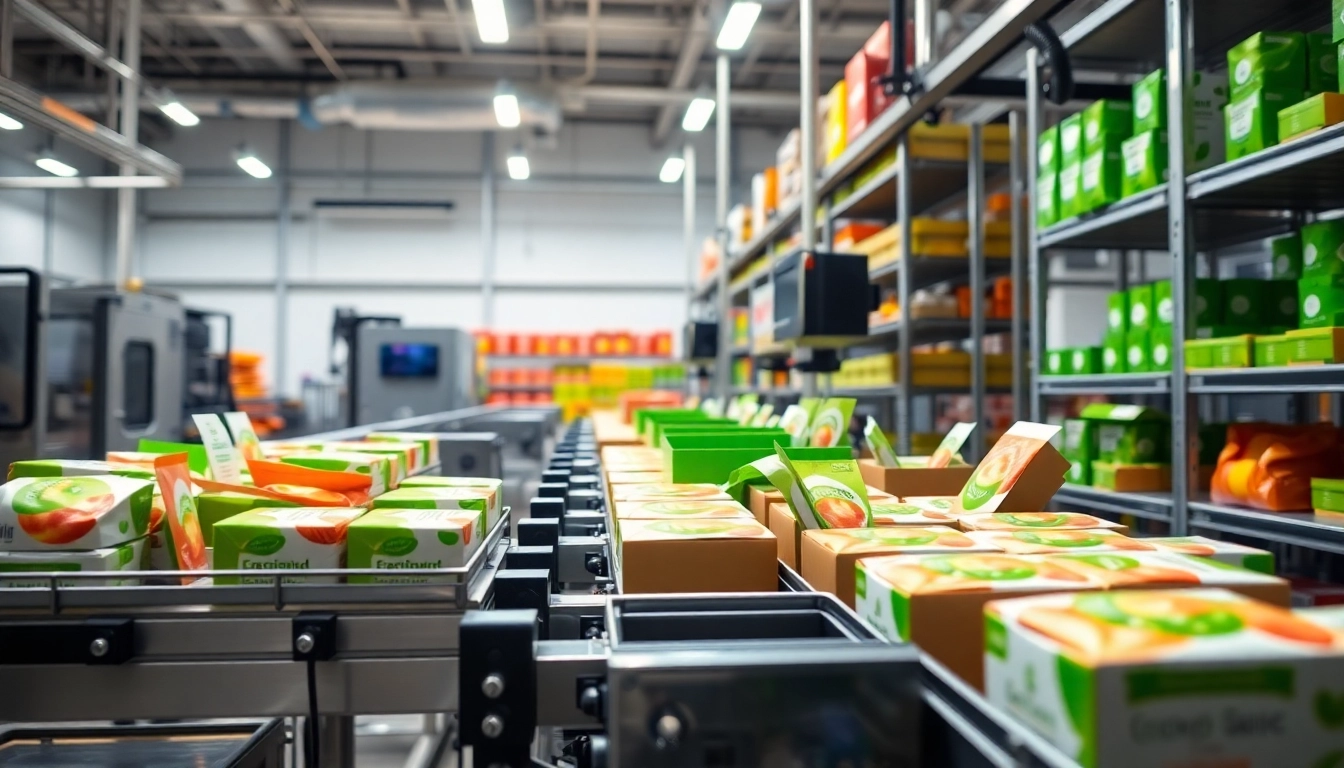
Understanding Food Contract Packaging
What is Food Contract Packaging?
Food contract packaging, often termed co-packing, is a business practice in which one company outsources the packaging of its products to another company equipped with the necessary tools, skills, and expertise. This arrangement allows food manufacturers to focus on their production while ensuring that their products are packaged according to high industry standards. By leveraging food contract packaging services, brands can enhance operational efficiency, reduce overhead costs, and improve their time-to-market for new products.
Benefits of Food Contract Packaging
The advantages of engaging in food contract packaging are numerous, and they significantly contribute to the operational success of food brands:
- Cost Efficiency: Outsourcing packaging can lead to reduced costs associated with labor, equipment, and materials.
- Expertise: Contract packagers specialize in packaging and understand the latest technologies, trends, and regulatory requirements, ensuring compliance and quality.
- Scalability: Companies can scale their operations up or down without the burden of significant investments in infrastructure.
- Focus on Core Competencies: By outsourcing packaging, companies can devote more time and resources to product development and marketing.
Key Market Trends in Food Contract Packaging
The food contract packaging landscape is evolving, driven by changing consumer preferences and advancements in technology. Some key trends include:
- Sustainable Packaging: There is a growing demand for environmentally friendly packaging solutions, significantly influencing how products are packaged.
- Customization: More brands are opting for tailored packaging solutions that enhance product appeal and meet specific consumer needs.
- Automation: Innovations in packaging technology are leading to automated processes, improving efficiency and reducing human error.
- Health and Safety Awareness: Increased consumer focus on health and food safety requires that packaging solutions align with strict regulatory standards.
Choosing the Right Partner for Food Contract Packaging
Evaluating Packaging Vendors
Selecting the right partner for food contract packaging is critical for success. Companies must evaluate potential vendors based on their capabilities, track record, and alignment with the company’s goals:
- Capabilities: Ensure the vendor has the technology and expertise to handle the specific packaging needs of your products.
- Experience: Look for a vendor with a proven history in food packaging and knowledge of industry-specific regulations.
- Reputation: Research reviews and feedback from current and past clients to gauge reliability and service quality.
Essential Criteria for Selection
When evaluating food contract packaging partners, consider the following criteria:
- Quality Assurance: Vendors should have rigorous quality control processes in place to maintain product integrity.
- Flexibility: The ability to adapt to changing demands and accommodate varying order sizes is essential.
- Compliance: Verify that the vendor complies with relevant food safety standards and has a deep understanding of local and federal regulations.
Common Mistakes to Avoid
Avoiding pitfalls during the selection process is crucial. Common mistakes include:
- Inadequate Research: Failing to thoroughly research potential vendors can lead to partnering with a subpar organization.
- Ignoring Compliance: Not checking for regulatory compliance can result in costly fines or product recalls.
- Lack of Communication: Clear communication of expectations and requirements is vital for a successful partnership. Failing to do so can lead to misunderstandings and suboptimal results.
Types of Food Contract Packaging Services
Primary Packaging Formats
Primary packaging refers to the immediate packaging that directly contains the product. Common formats include:
- Pouches: Flexible and lightweight, suitable for snacks and liquids.
- Bottles: Ideal for liquids, sauces, and beverages.
- Cans: Often used for preserving food and maintaining shelf life.
Secondary Packaging Solutions
Secondary packaging is used for grouping primary packages and enhancing product presentation. Solutions include:
- Cartons: Provide protection and branding and facilitate easy stacking and shipping.
- Multipacks: Combine multiple units in a single package for promotional purposes.
- Shrink wrap: Secures multiple items together while showcasing the product.
Custom Packaging Options
Custom solutions allow brands to differentiate themselves in a crowded market. Options include:
- Unique Shapes: Custom-shaped containers can enhance shelf presence and consumer appeal.
- Branding: Incorporating custom designs and logos into the packaging fosters brand recognition.
- Eco-friendly Materials: Offering sustainable packaging options can enhance a brand’s reputation among environmentally-conscious consumers.
Regulatory Considerations in Food Contract Packaging
Understanding Food Safety Standards
Food safety standards are a critical aspect of food contract packaging. These regulations are designed to ensure that products are safe for consumers. Key regulations include:
- HACCP: Hazard Analysis and Critical Control Points is a systematic approach to food safety that identifies and controls hazards.
- FDA Regulations: Compliance with the Food and Drug Administration's guidelines is essential for all food packaging practices.
Labeling Requirements
Labeling is a vital aspect of food packaging, and it must comply with various standards. Labels should include information such as:
- Ingredients List: A complete list of ingredients is mandatory for consumer transparency.
- Nutritional Information: Products must display nutrient content, aiding consumers in making informed decisions.
- Allergen Warnings: Clear indication of potential allergens helps prevent health-related incidents.
Compliance with Local and Global Regulations
Companies must navigate various regulations at both local and global levels to ensure compliance across all markets. This could involve:
- Understanding Export Guidelines: Each country has specific requirements for importing food products.
- Staying Updated: Regulations can change; brands must stay informed on policy updates to avoid compliance issues.
Measuring Success in Food Contract Packaging
Setting KPIs for Your Packaging Strategy
Metrics play a vital role in assessing the effectiveness of food contract packaging strategies. Key performance indicators (KPIs) may include:
- Cost Per Unit: Evaluating production costs per packaged unit can help identify potential savings.
- Production Efficiency: Measuring output against targets ensures processes are running smoothly.
- Waste Reduction: Tracking waste levels during packaging can prioritize sustainability initiatives.
Impact on Brand Loyalty and Consumer Trust
Effective packaging can significantly influence brand loyalty and consumer trust. Key impacts include:
- First Impressions: Attractive packaging enhances initial consumer perceptions, often impacting purchase decisions.
- Consistency: Reliable packaging quality fosters trust, encouraging repeat purchases.
Case Studies of Successful Implementations
Analyzing successful case studies provides valuable insights into best practices. Important factors include:
- Innovative Solutions: Brands that implemented creative packaging strategies often outperform competitors.
- Consumer Engagement: Engaging packaging that resonates with consumers leads to increased market share.
Frequently Asked Questions
What is food contract packaging?
Food contract packaging is an outsourcing arrangement where a company hires a third-party service provider to package its food products. This allows manufacturers to focus on production while ensuring high-quality packaging.
What are the benefits of using a contract packager?
Utilizing a contract packager can lower operational costs, provide access to specialized expertise, and enable scalability in production and packaging processes.
How do I choose a food packing partner?
When selecting a partner, evaluate their experience, capabilities, quality control processes, and compliance with food safety standards to ensure a good fit for your needs.
What types of packaging formats are available?
Common packaging formats include pouches, bottles, cans, cartons, and custom solutions tailored to specific product requirements and brand identity.
What regulations affect food packaging?
Food packaging regulations include safety standards, labeling requirements, and compliance with local and international guidelines to ensure product safety and quality.