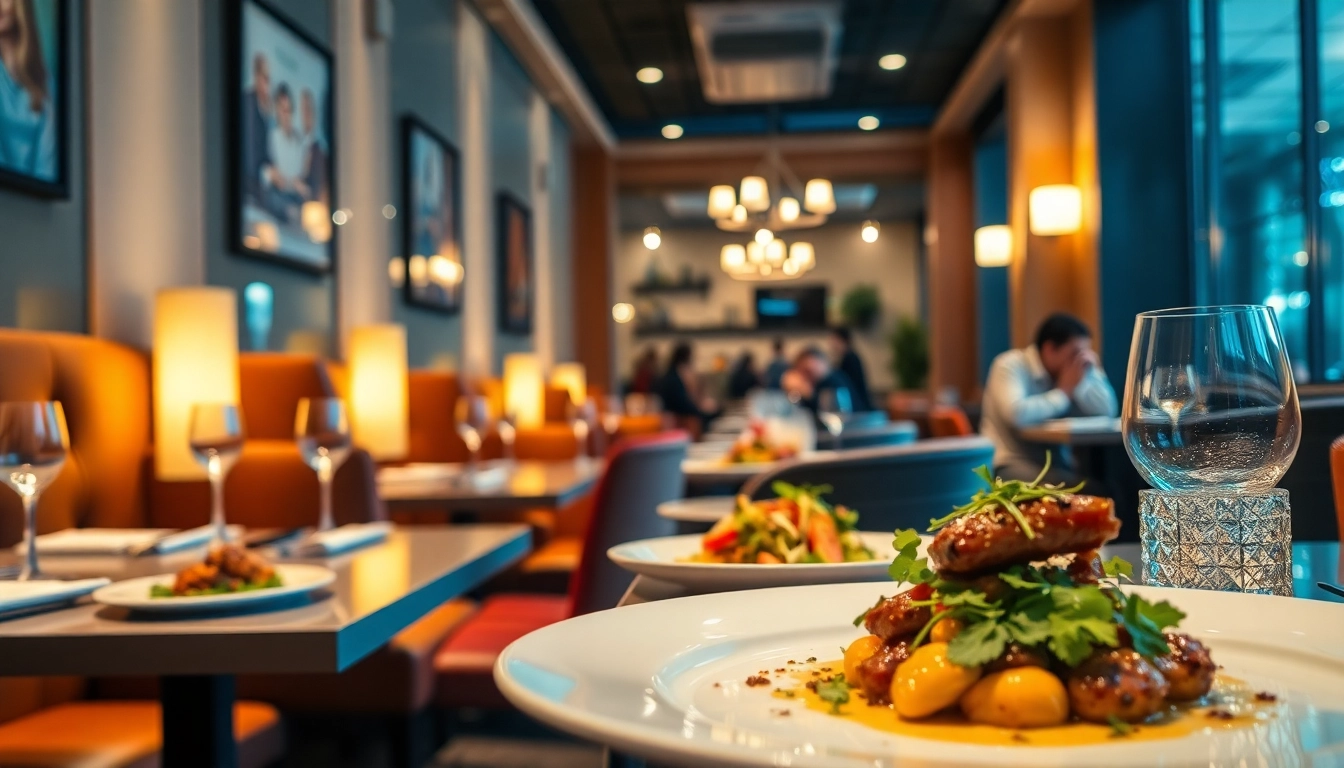
Understanding Restaurant Ambiance
The atmosphere of a restaurant is more than just an afterthought; it’s a pivotal element that can profoundly influence a diner’s experience. This ambiance sets the tone for the meal and can enhance the flavors of the dishes served. For instance, consider how a well-designed restaurant might incorporate strategic elements—like comfortable seating, pleasing acoustics, and appropriate décor—to enrich the dining experience. Whether you're looking to attract first-time visitors or create a loyal customer base, investing time in understanding how ambiance affects consumer behavior is essential. It’s this slot that you must fill with warmth and charm.
Elements of Atmosphere
The elements that contribute to a restaurant's atmosphere can be categorized into several areas. From the physical layout and design to the intangible feelings evoked through service and environment, each aspect plays a critical role. Some key components include:
- Physical Layout: A well-organized space promotes ease of movement and accessibility.
- Color Palette: The choice of colors can set the emotional tone of the establishment.
- Decor and Art: Unique decorative choices can create conversation starters and enhance the dining experience.
- Comfort Levels: Seating arrangements must cater to individual comfort while also promoting social interaction.
Importance of Lighting and Color
Lighting is one of the most powerful tools in creating ambiance. The right lighting can soften a space, highlight food, and even affect how flavors are perceived. For example, dim, warm lighting can make a restaurant feel intimate and inviting, while bright, harsh lighting might promote a more casual, energetic vibe. Additionally, color can significantly influence mood and appetite. Warm tones, such as reds and oranges, are known to stimulate appetite, making them popular choices for dining areas.
Sound and Music Influence
Sound is another crucial facet that can enhance or detract from the dining experience. Background music can help set a vibe that complements the restaurant's theme. For instance, soft classical music may enhance an upscale dining experience whereas upbeat tunes might be more suitable for a bustling café. Furthermore, the sounds of clinking dishes and ambient chatter can contribute positively when kept at a balanced level. Consideration of acoustics can enhance how patrons perceive the overall atmosphere.
Designing Cozy Dining Spaces
Creating a comfortable and cozy dining space is not only about aesthetics but also about functionality. Each element must serve a purpose while contributing to the overall experience of the diner.
Choosing the Right Furniture
Furniture selection plays a pivotal role in setting a restaurant's tone. Opting for comfortable seating that invites patrons to linger can lead to increased customer satisfaction and longer dining times. The size and arrangement of tables should also consider the need for privacy, while still allowing for a communal feel. Employing a mix of seating options—such as booths, tables, and bar stools—can cater to different dining preferences.
Incorporating Decorative Details
Details like wall art, plants, and unique lighting fixtures not only beautify a space but also reflect the restaurant's identity. Incorporating local art can provide a sense of community, while seasonal decorations can hint at a fresh menu and keep regulars intrigued. These details serve as additional layers of experience and can often linger in the memory of diners long after they leave.
Arranging Tables for Comfort
The layout of tables should promote both social interaction and comfort. Adequate spacing prevents overcrowding while still creating an inviting, bustling atmosphere. Consider creating intimate spaces within the larger dining area for couples or small groups, while still allowing for larger communal tables for family-style dining. This thoughtful organization can enhance customer satisfaction and encourage repeat visits.
Curating the Menu Experience
A thoughtfully curated menu not only highlights culinary creativity but also enhances the overall experience. It's important to communicate a clear vision of the restaurant’s identity through the offerings.
Highlighting Seasonal Ingredients
Utilizing seasonal ingredients can not only ensure freshness and flavor but also drive customer interest. This approach allows restaurants to adapt their menus based on what’s currently available and can lead to creating special events or dishes that excite patrons. Showcasing these ingredients prominently can enhance the dining narrative.
Balancing Flavors and Textures
In designing a menu, it's essential to create a balance of flavors and textures. Each dish should complement the others, allowing the diner to experience a varied yet harmonious sensory journey. This involves pairing different cooking methods and ingredients while providing options for different dietary preferences. Thoughtful balance can create a unique dining experience that patrons will remember.
Presentation Techniques
The way a dish is presented can elevate its perceived value and enhance the overall dining experience. Beautifully plated food can heighten anticipation and excitement. Utilizing color, height, and symmetry can create visual appeal. Additionally, offering side dishes that can be shared can contribute to a more communal and interactive dining experience.
Engaging with Patrons
Once the ambiance and menu are well-crafted, engaging with patrons becomes the next vital step. Establishing a rapport can significantly enhance customer loyalty.
Staff Training for Service Excellence
The frontline staff plays a crucial role in how patrons perceive the restaurant. Investing in training for service excellence can empower staff to create meaningful interactions with customers. This can include everything from menu knowledge to conflict resolution skills, ensuring that each dining experience is memorable for the right reasons.
Encouraging Customer Feedback
Encouraging customers to provide feedback can yield valuable insights. This might involve informal conversations during the meal or formal surveys following dining experiences. Feedback, whether positive or constructive, should be taken seriously and used as a tool for continuous improvement.
Leveraging Social Media
In today's digital age, social media can amplify a restaurant's reach and create a sense of community. Engaging content, such as food photography, behind-the-scenes looks, and customer spotlights can generate excitement and engagement. Utilizing social media strategically can help in building a loyal customer base and attracting new diners.
Measuring the Success of Your Atmosphere
After implementing various strategies to enhance the restaurant's ambiance, it’s important to measure the effectiveness of these efforts. Understanding what resonates with patrons can guide continuous improvement.
Customer Satisfaction Surveys
Distributing customer satisfaction surveys can provide insights into patrons' experiences. These can help identify strengths and areas for improvement in the dining ambiance. Crafting these surveys to be easy to complete ensures higher response rates, leading to more actionable feedback.
Monitoring Repeat Visits
A tangible indicator of successful ambiance is the rate of repeat customers. Keeping track of returning diners can indicate satisfaction levels regarding ambiance, service, and food. High repeat visit rates can signal that the restaurant has created a positive, memorable experience that patrons want to relive.
Adjusting for Continuous Improvement
The restaurant industry is dynamic; therefore, being open to change is essential. Regularly assessing ambiance through feedback and operational metrics can lead to continuous improvement. Whether it’s redesigning seating arrangements, altering lighting, or refreshing the menu, a commitment to evolution can keep the restaurant relevant and inviting.
Frequently Asked Questions
What is the most important element of restaurant ambiance?
The most important element can vary, but lighting often plays a crucial role in setting the mood and atmosphere.
How does music choice affect dining experiences?
Music can significantly influence patrons' moods and perceptions, enhancing or detracting from their dining experience.
What are seasonal ingredients?
Seasonal ingredients are fresh produce and products available at certain times of the year, enhancing menu variety and flavor.
Why is customer feedback important?
Customer feedback helps restaurants understand their strengths and weaknesses, leading to improved service and experiences.
How can social media benefit a restaurant?
Social media can promote engagement, build community, and attract new customers through visually appealing content and promotions.