Understanding Work Zone Safety Regulations
Work zones are inherently dangerous environments not only for the workers involved but also for the public. Adequate safety measures are paramount for ensuring a safe working environment. work zone safety colorado contractors must adhere to specific regulations that govern safety practices, ensuring compliance with both federal and state guidelines.
Key Federal Safety Standards and Laws
Federal regulations for work zone safety primarily stem from the Occupational Safety and Health Administration (OSHA). OSHA provides guidelines that contractors must follow to enhance the safety of work zones effectively. Key federal standards include:
- 29 CFR 1926.200-202: These standards mandate that employers must provide a safe workspace, including adequate signage and barriers in construction zones.
- Manual on Uniform Traffic Control Devices (MUTCD): The MUTCD outlines universal traffic control devices and their application in work zones, creating a standardized approach to traffic management.
- OSHA’s Temporary Traffic Control (TTC): Officers must thoroughly understand TTC protocols to minimize hazards during roadworks.
State-Specific Regulations for Colorado
In addition to federal requirements, Colorado has established its own regulations that emphasize work zone safety. The Colorado Department of Transportation (CDOT) provides detailed guidance on managing work zones effectively. Relevant regulations include:
- CDOT Work Zone Safety Guidelines: This document provides a framework for safety protocols, equipment usage, and worker training.
- Local Amendments: Cities and counties may impose additional safety requirements, making it crucial for contractors to be informed about local laws.
Importance of Compliance for Contractors
For contractors, compliance with work zone safety regulations is non-negotiable. Non-compliance can lead to legal repercussions, including fines and project delays, and more importantly, it can endanger the lives of workers and the public. By adhering to established regulations, contractors can:
- Reduce the risk of accidents and injuries.
- Enhance their reputation and trust within the community.
- Avoid costly lawsuits and fines due to negligence.
Work Zone Safety Best Practices
With regulations in mind, implementing best practices for work zone safety can dramatically reduce hazards. Here are several effective strategies that contractors can adopt to maintain safe work conditions.
Effective Traffic Control Measures
Traffic control measures are crucial for ensuring the safety of both workers and the traveling public. Methods include:
- Signage: Proper placement of warning signs, direction indicators, and information banners help communicate with drivers effectively.
- Barriers: Physical barriers, such as cones and concrete blocks, should be employed to separate the work area from the moving public.
- Flaggers: Trained flaggers can direct traffic safely and provide real-time updates to drivers regarding any changes in the road status.
Using Safety Equipment Appropriately
Utilizing equipment designed for safety is essential. This includes:
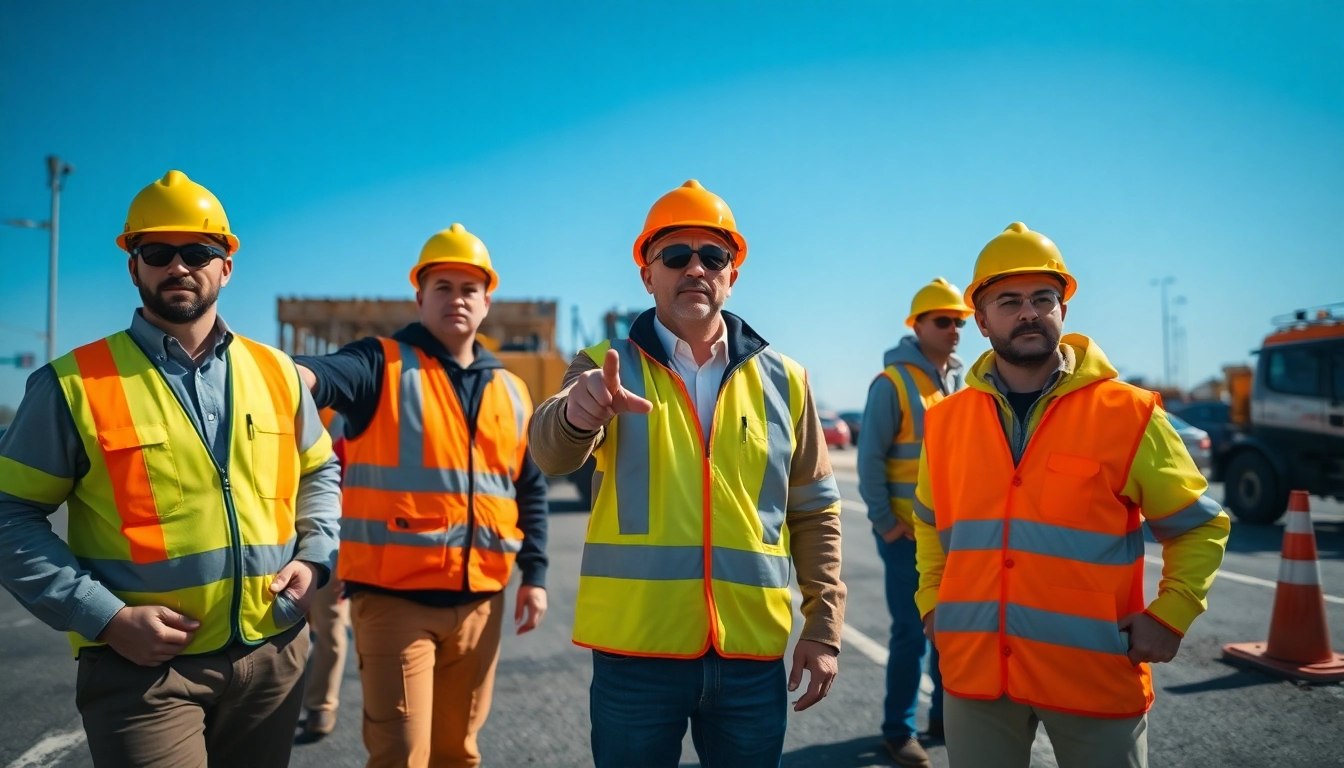
- Personal Protective Equipment (PPE): Workers should be provided with hard hats, vests, gloves, and safety glasses to minimize injury risks.
- Traffic Control Devices: Ensure that all traffic control devices conform to state and federal guidelines.
- Emergency Equipment: Have first aid kits, fire extinguishers, and emergency contact information readily available on-site.
Training and Awareness for Workers
Training is a cornerstone of effective work zone safety. Contractors should focus on the following:
- Regular Safety Meetings: Conduct meetings to discuss potential hazards, new regulations, and reviews of past incidents.
- Certification Programs: All workers should undergo training recognized by OSHA and CDOT for work zone safety.
- Crisis Drills: Implement regular drills that prepare the team for emergency situations, improving response times.
Identifying Existing Hazards in Work Zones
Recognizing and addressing potential hazards is pivotal for maintaining work zone safety. Identification processes must be proactive and systematic.
Common Risks for Colorado Contractors
Contractors in Colorado face specific risks that can compromise safety, including:
- Vehicle Collisions: The likelihood of accidents involving motorists and construction vehicles can increase if a proper traffic management plan isn't in place.
- Slips and Falls: Uneven surfaces, trip hazards, and adverse weather can lead to injuries among workers.
- Equipment Mishaps: Improperly used or maintained equipment poses significant injury risks.
Implementing Risk Assessment Protocols
Conducting thorough risk assessments is key to identifying potential dangers. Some steps include:
- Site Surveys: Regular inspections and assessments of the work environment help identify hazards before they lead to incidents.
- Engaging Workers: Encourage the workforce to report potential risks and contribute to safety discussions actively.
- Documentation: Maintain accurate records of hazards and mitigation measures taken.
Regular Safety Audits and Inspections
Safety audits should be conducted regularly to ensure compliance with all safety protocols. Key components include:
- Inspection Schedules: Create and adhere to an inspection schedule that includes checks for PPE, signage, and equipment conditions.
- Follow-Up Actions: Develop procedures for rectifying any identified issues promptly.
- Audit Accountability: Assign specific personnel to oversee compliance and implement corrective measures.
Advanced Safety Technologies for Work Zones
As technology advances, so do the methods available for ensuring safety in work zones. Colorado contractors should leverage new technologies to enhance safety protocols.
Innovative Traffic Management Systems
New traffic management systems can optimize work zone safety by:
- Smart Traffic Signals: Adaptive signal controls adjust traffic flow based on real-time data from sensors.
- For-Real-Time Monitoring: Systems that monitor traffic continuously can alert crews to potential problems before they escalate.
Leveraging Drones for Monitoring
Drones provide an innovative perspective on ongoing projects. Their applications include:
- Site Surveys: Drones can conduct aerial surveys to identify risks that may not be easily visible from the ground.
- Real-time Data: Using drones to gather real-time data assists in decision-making and optimizing safety measures.
The Role of Data Analytics in Safety
Data analytics plays a crucial role in improving work zone safety. Actions include:
- Incident Analysis: Data from past incidents helps identify trends, leading to better preventive measures.
- Predictive Analytics: Utilizing predictive models to anticipate and mitigate possible hazards before they occur.
Measuring Safety Performance in Work Zones
Measurement and evaluation are key components of a successful work zone safety program. Establishing clear metrics allows for continuous improvement.
Key Performance Indicators (KPIs)
Contractors should track KPIs to assess their safety performance effectively. Some important KPIs include:
- Incident Rates: Measure the frequency of accidents or near misses in work zones.
- Compliance Rates: Evaluate the extent of adherence to safety standards and regulations.
- Training Effectiveness: Assess post-training performance to determine the long-term impact of safety programs.
Reporting and Accountability Procedures
Having structured reporting and accountability systems is critical for enhancing safety. Consider the following frameworks:
- Incident Reporting Systems: Implement systems for reporting accidents, providing context for future safety assessments.
- Accountability Mechanisms: Ensure that all team members understand their roles in maintaining safety.
Improving Safety Based on Feedback
Collecting feedback from workers and stakeholders is vital for continuous improvement. Steps include:
- Regular Surveys: Conduct anonymous safety culture surveys to gather honest feedback.
- Feedback Sessions: Hold sessions to discuss safety observations and foster a culture of open communication.
Frequently Asked Questions
What regulations dictate work zone safety in Colorado?
In Colorado, contractors must comply with both federal regulations from OSHA and state-specific guidelines established by CDOT regarding work zone safety.
How can contractors ensure compliance with safety protocols?
Contractors can ensure compliance by staying updated on regulations, conducting regular training, and performing ongoing safety audits.
Why is training important for work zone safety?
Training is crucial as it educates workers about potential hazards, the proper use of equipment, and how to respond in emergencies effectively.
What are common hazards found in work zones?
Common hazards include vehicle collisions, slips and falls, and equipment-related accidents due to improper usage or maintenance.
How often should safety audits be conducted?
Safety audits should be conducted regularly, at least once per project phase, to ensure compliance and identify new hazards promptly.