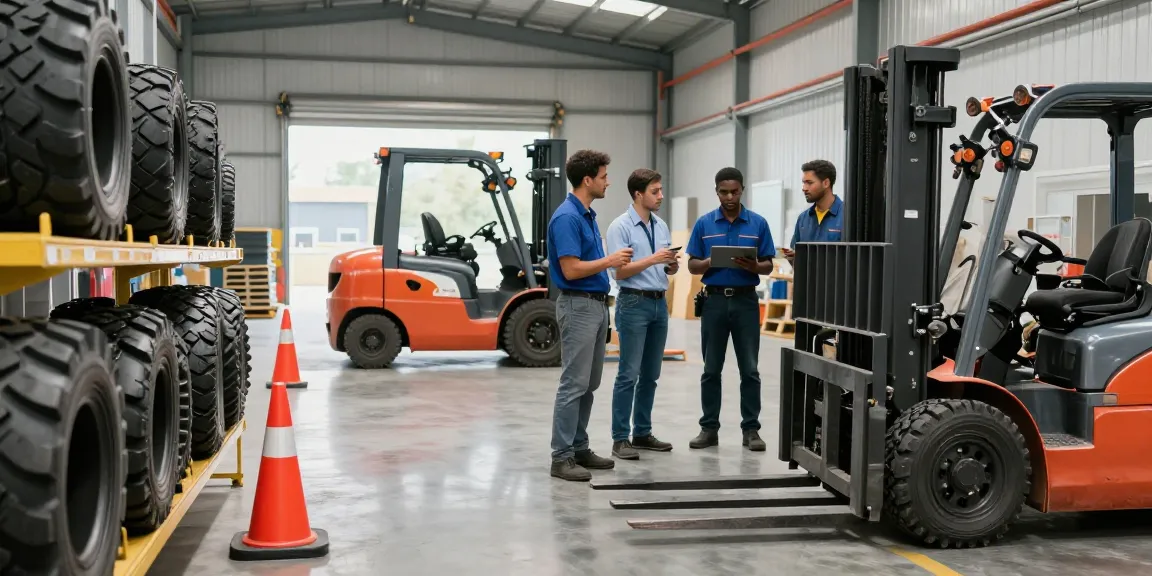
Understanding the Importance of Forklift Tyres
In the bustling world of logistics and warehousing, forklift tyres play an indispensable role in maintaining operational efficiency and safety. The right tyres not only help in smooth material handling but also support the overall health of your fleet. Poor tyre condition can lead to accidents, increased operational costs, and premature machinery failure. As you explore options for forklift tyres for sale in Johannesburg, understanding their significance becomes evident. In this comprehensive guide, we will delve into the critical aspects of forklift tyres, including their types, selection criteria, maintenance, and industry statistics.
Why Every Business Needs Quality Forklift Tyres
Quality forklift tyres are a vital investment for any business that relies on forklifts for material handling. Unlike regular vehicles, forklifts operate under heavier loads, which makes the choice of tyres crucial. Elevated safety standards, reduced operational costs, and prolonged vehicle lifespan are just some benefits stemming from high-quality tyre choices. Investing in quality means fewer breakdowns, which translates to higher productivity and reduced frustration in daily operations.
Impact on Safety and Efficiency
Tyres significantly influence both safety and efficiency in a warehouse or industrial environment. Worn or inappropriate tyres can lead to instability when lifting loads, increasing the risk of accidents. In fact, statistics show that over 70% of forklift accidents are linked to maintenance issues, including tyre failure. Properly maintained and suitable tyres ensure that loads remain stable and that operators have confidence in their machinery, mitigating the chances of accidents and enhancing overall productivity.
Common Misconceptions About Forklift Tyres
There are several misconceptions surrounding forklift tyres that can lead to poor decision-making. One common myth is that all tyres are interchangeable across different forklift models. In reality, using the wrong tyre can result in uneven wear, compromised safety, and ineffective load distribution. Additionally, some operators believe that solid tyres are the best choice for all situations, but this may not be the case for every environment. Understanding the specifics of each tyre type is essential for optimal performance and safety.
Types of Forklift Tyres Available
Solid Tyres: Features and Benefits
Solid tyres are well-suited for indoor operations on flat surfaces, making them ideal for warehouses and manufacturing facilities. They offer durability and resistance to punctures, which significantly reduces downtime related to tyre failure. Their benefits include:
- Zero risk of punctures, ensuring uninterrupted operations
- High durability under heavy loads
- Cost-effectiveness due to fewer replacements and repairs
For businesses dealing with sharp debris or uneven surfaces, solid tyres are highly recommended due to their robust nature.
Pneumatic Tyres: Ideal Environments
Pneumatic tyres, filled with air or foam, provide essential grip and shock absorption, making them the go-to choice for outdoor applications. They excel in environments such as construction sites, lumber yards, and outdoor storage areas. Key features include:
- Superior traction on uneven surfaces
- Available in air-filled or foam-filled variants
- Cushioned rides that reduce strain on the forklift
With pneumatic tyres, operators can confidently navigate the toughest jobs, enhancing overall productivity.
Polyurethane Tyres: Energy Efficiency
Polyurethane tyres are particularly advantageous for electric forklifts and indoor operations. Their lightweight nature contributes to lower rolling resistance, making them suitable for environments such as cold storage and automated guided vehicles (AGVs). Benefits include:
- Energy-efficient design, aiding in fuel savings
- Reduced wear and tear on warehouse floors
- Longevity under light to moderate loads
Opting for polyurethane tyres can significantly improve your operations, especially in environments where energy efficiency is paramount.
Choosing the Right Tyres for Your Forklift
Assessing Load Capacity and Surface Type
Choosing the right tyres involves evaluating your specific operational needs. First, assess the load capacity that your forklifts will support. Tyres must be able to handle the heaviest loads without compromising stability. Secondly, consider the surface types where your forklifts will operate—smooth indoor floors may require different tyres than rough outdoor terrains.
Understanding Compatibility with Forklift Models
Every forklift model has unique specifications, and not all tyres will fit all models. It’s critical to ensure that the tyres you select are compatible with the specific make and model of your forklift. This compatibility not only affects performance but also impacts safety and efficiency.
Budget Considerations and Maintenance Needs
Budgeting for tyres involves more than just the initial purchase price. Consider the long-term costs associated with maintaining tyres, including their lifespan and performance characteristics. Solid tyres, for instance, may have higher upfront costs but can save money in the long run due to their durability. Regular maintenance checks and timely replacements will also ensure that you get the most from your investment.
Statistics and Trends in Forklift Tyre Usage
Current Data on Tyre Performance and Longevity
Understanding statistics related to forklift tyre performance can guide businesses in making informed decisions. For example, studies reveal that 55% of forklift downtime is attributed to tyre-related issues. Beyond this, pneumatic tyres can extend forklift suspension life by up to 40%. Furthermore, solid tyres can reduce total ownership costs by approximately 20% over five years due to their durability and low maintenance requirements.
Predicted Trends for Forklift Tyres in 2026
Looking ahead to 2026, several trends are poised to affect the forklift tyre market. Advances in materials will lead to even more durable and efficient tyres, while environmental considerations may drive demand for energy-efficient options like polyurethane tyres. Awareness of safety concerns will also increase, prompting businesses to invest in high-quality tyres that meet stringent industry standards.
Common Causes of Tyre Failures
Being proactive about tyre health is essential in preventing costly failures. Common issues that lead to tyre failures include:
- Worn tread from overuse or improper inflation
- Environmental damage from extreme conditions
- Mixing tyre types that lead to uneven wear and compromised performance
Regular inspections and adherence to maintenance schedules can mitigate these issues and prolong the life of your tyres.
Frequently Asked Questions About Forklift Tyres
How Often Should Forklift Tyres Be Replaced?
The frequency of tyre replacements largely depends on usage. As a general guideline, solid tyres should be replaced when they lose 50% of their tread or manifest visible cracks, while pneumatic tyres should be monitored closely, with replacements recommended if the tread wears below 3mm or if there are visible cuts.
Can Tyres Be Mixed Across Models?
No, mixing tyres across different models can lead to uneven wear, instability, and may significantly compromise safety. It’s always best practice to use tyres that are specifically designed for your forklift model.
What Maintenance is Required for Different Tyre Types?
Tyre maintenance varies by type. Solid tyres require less frequent inspection compared to pneumatic tyres, which need regular checks for proper inflation and potential damage. Routine maintenance, including alignment checks and rotating tyres periodically, is recommended to extend their lifespan.
In conclusion, selecting the right forklift tyres is crucial for efficient and safe operations. Investing in quality tyres tailored to your specific business needs can significantly enhance productivity while reducing downtime. Ready to upgrade your fleet? Reach out to GP Forklift for expert advice on finding the right tyres for your operations.