The Psychology Behind Age Perception
Age is more than just a number; it’s a complex interplay of biology, personal perception, and societal standards. Understanding how we perceive age can offer profound insights into our self-image, confidence, and social interactions. This article delves deep into the multifaceted concept of age perception, examining the factors that influence it, the psychological implications of looking older or younger, and how tools like AI age estimators can shape our views. As you explore these dimensions, you may find resources like how old do I look especially valuable for assessing your perceptions.
Understanding Biological vs. Chronological Age
Chronological age refers to the actual time that has passed since a person's birth, while biological age is determined by various biological markers and reflects how well your body functions compared to your chronological age. For instance, a person might be chronologically 50 but have the biological age of a 40-year-old due to factors such as lifestyle choices, genetics, and environmental influences.
In contemporary society, people increasingly desire to look younger than their chronological age. This is fueled by cultural representations in media portraying youth as the ideal. As a result, many individuals turn to various tools, including facial recognition software and age estimation apps, to gauge their perceived age in comparison to their actual age.
Influence of Media on Age Perception
Media plays a pivotal role in shaping societal norms and expectations surrounding age. Advertisements, movies, and social media platforms often prioritize youthful appearances, leading individuals to internalize a certain image of what aging should look like. Studies have shown that exposure to media portraying younger individuals can create unrealistic standards, contributing to dissatisfaction among those who feel they do not meet these ideals.
This dissatisfaction can lead to a myriad of psychological effects, such as a diminished sense of self-worth or even depression. The constant reminder of youthful beauty standards can result in people seeking external validation through methods like beauty enhancements, while simultaneously ignoring the natural aging process that everyone experiences.
The Impact of Self-Image on Confidence
Self-image and confidence are intricately linked to how old we perceive ourselves and how we feel about our appearance in relation to our age. For instance, individuals who feel they look older than their peers may experience anxiety and insecurity, impacting their social relationships and professional interactions. Conversely, those who believe they look younger often benefit from increased confidence and a stronger social standing.
It's essential to cultivate a positive self-image that transcends age. Engaging in activities that promote mental and physical wellness can aid in improving self-esteem and encourage a healthier relationship with aging.
How Age Estimation Tools Work
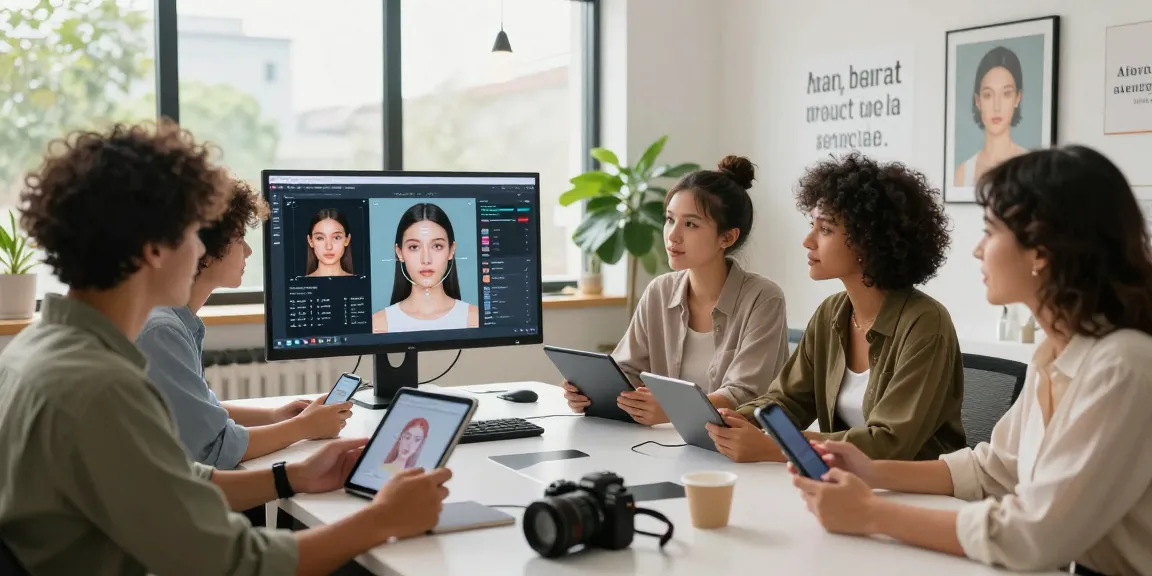
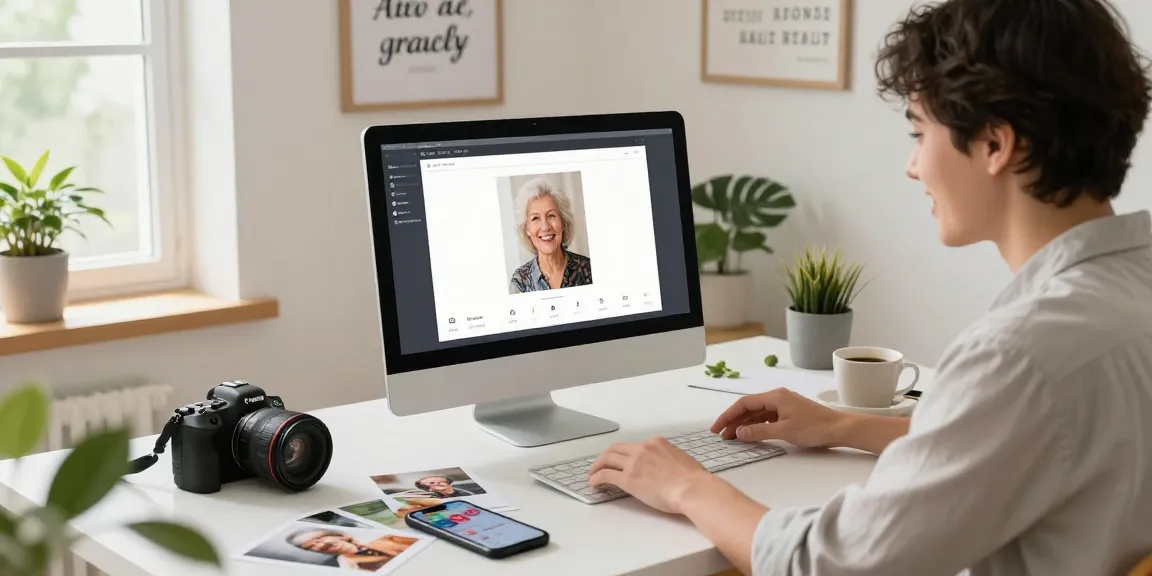
Age estimation tools, particularly those powered by artificial intelligence, have become increasingly popular for individuals curious about how old they look. These tools analyze facial features using algorithms designed to recognize age-related attributes. Understanding how these technologies work can help users appreciate their accuracy and limitations.
AI Technology Behind Age Detection
Face detection technology utilizes deep learning algorithms trained on vast datasets of images with labeled ages. By analyzing features such as skin texture, facial landmarks, and expressions, these algorithms can estimate biological age based on observable traits. The advancements in AI have significantly improved the accuracy of these tools, though they still face challenges when it comes to individual variability.
Understanding Algorithmic Accuracy
The accuracy of age estimation tools can vary based on a multitude of factors, including the dataset used for training the algorithms and the specific facial features of individuals. While many tools claim to provide reliable results, it’s crucial to recognize that biological age is influenced by numerous elements beyond appearance, such as lifestyle, genetics, and health conditions.
Real-life Applications of Age Estimation
These age estimation tools have practical applications beyond mere curiosity. For instance, beauty and skincare industries utilize such technology to tailor products to specific age groups, while healthcare sectors can apply it in aging research. Additionally, age estimation tools can help individuals better understand their perceived age and make informed decisions regarding cosmetic treatments or lifestyle changes.
Benefits of Knowing How Old You Look
There are several compelling reasons to understand how old you appear to others. From bolstering self-confidence to making informed lifestyle changes, having insights into your perceived age can empower personal growth and development.
Enhancing Self-Confidence Through Feedback
Receiving feedback about how old you look can be a double-edged sword. While it may bolster self-confidence for some, it could also trigger insecurities for others. However, if approached positively, such insights can serve as motivation to adopt healthier habits. Engaging with tools like AI estimators can provide valuable feedback that encourages individuals to take better care of themselves.
Improving Personal and Professional Image
In both personal and professional settings, perceived age can significantly impact how individuals are treated and perceived by others. A younger-looking appearance may lead to a more vibrant social life, while in the workplace, it may influence perceptions of creativity and adaptability. Understanding how you are perceived can empower you to make choices that align with your goals.
Using Insights for Cosmetic and Lifestyle Decisions
Knowing how old you look can inform cosmetic decisions. For instance, if you aim to achieve a more youthful appearance, you might consider skincare routines, dietary adjustments, or even cosmetic procedures. In this regard, age estimation tools can serve as a guiding compass, aligning your appearance with your goals.
Challenges and Limitations of Age Estimation
Despite their utility, age estimation tools are not without challenges. Various limitations exist that users should be aware of to ensure realistic expectations when utilizing these resources.
The Variability of Facial Features
Facial features vary greatly among individuals and populations, making it challenging for algorithms to deliver consistent results across diverse demographics. Factors such as ethnicity, skin type, and even lighting conditions can skew results, leading to inaccurate age estimations.
Technological Limitations and User Bias
As with any technology, age estimation tools can also face computational biases. If the data used to train these algorithms lacks diversity, the outputs may unfairly favor certain age groups or ethnicities, thus perpetuating inaccuracies. Users must remain critical of results and understand that these tools are only one aspect of age perception.
Misconceptions About Age Estimation Accuracy
Many individuals may mistakenly believe that age estimation tools offer precise age readings. However, it’s critical to approach these tools with a healthy degree of skepticism. While they can provide intriguing insights, they are not infallible and should not be used as definitive judgments regarding one’s age.
Future Trends in Age Perception Tools
The landscape of age perception tools is rapidly evolving, with innovations constantly emerging that enhance accuracy and user experience. Keeping an eye on these trends can help users make informed decisions about the tools they choose to utilize.
Emerging Technologies in Facial Recognition
As AI technology continues to advance, new methods of facial recognition are being developed. These emerging technologies promise to provide even more refined analyses of facial features, potentially leading to greater accuracy in age estimation. Machine learning models are increasingly able to consider factors like lifestyle and health indicators to offer a more holistic view of aging.
Predictions for AI in Age Prediction by 2026
By 2026, it’s anticipated that AI tools will harness even more sophisticated training datasets, facilitating improved accuracy in age estimation. Virtual reality (VR) and augmented reality (AR) technologies may also be integrated, allowing users to visualize potential age-related changes in real-time, thereby fostering greater awareness and proactive wellness choices.
Consumer Acceptance and Ethical Considerations
As age estimation tools become more prevalent, consumer acceptance will play a pivotal role in their evolution. Ethical considerations surrounding privacy and data security must also be addressed, ensuring users are fully informed about how their data is used. Striking a balance between innovation and user rights will be essential in the coming years.
What is the best way to use photo age estimation tools?
The best approach to using photo age estimation tools is to view the results as a broad insight rather than a definitive age calculation. Understanding their limitations and using them in conjunction with other methods of self-assessment can yield the most accurate perspective on one's appearance.
Can age estimation impact my self-esteem?
Yes, age estimation can significantly influence self-esteem. For individuals who receive results that align with their self-image, this can enhance confidence. However, those who receive results that they perceive as negative may experience diminished self-esteem. It’s vital to approach these tools constructively.
How accurate are AI-powered age estimators?
AI-powered age estimators vary in accuracy; while some tools achieve impressive results, others may fall short due to the factors discussed above. Users should approach results critically and explore multiple tools for a more rounded understanding.
Are there any privacy concerns with uploading my photo?
Yes, privacy concerns are inherent in the use of photo age estimation tools. Users must be cautious about sharing personal images and ensure that the platforms they engage with have robust privacy policies in place to protect their information.
What factors influence how old I look?
Various factors contribute to how old one appears, including genetics, lifestyle choices, skin care routines, and even stress levels. Understanding these elements can empower individuals to make choices that promote a more youthful appearance.