Understanding Queue Detection Software
Queue detection software plays a crucial role in managing and optimizing queues in various environments, such as retail, traffic management, and healthcare. By utilizing advanced technologies, this software helps organizations streamline operations, enhance customer experiences, and maintain operational effectiveness. Understanding what this software entails and how it operates is vital for businesses aiming to improve their queue management strategies. One of the best solutions available is queue detection software, which leverages data and analytics for better results.
What is Queue Detection Software?
Queue detection software is designed to monitor and analyze the flow of queues, whether they are physical lines in stores or virtual queues online. It uses advanced sensors, cameras, and algorithms to detect the number of people in a queue, the time spent waiting, and the overall queue dynamics. This information can help businesses understand peak periods, manage customer flow more effectively, and improve service delivery.
How Queue Detection Software Works
The operation of queue detection software typically involves various technologies, including video analytics, artificial intelligence (AI), and real-time data processing. Here’s a brief overview:
- Data Collection: Cameras or sensors capture data on queue length and flow, providing constant monitoring.
- Data Processing: The captured data is analyzed using algorithms that assess patterns and predict congestion.
- Reporting: Real-time insights are generated, allowing managers to make informed decisions on staffing and resources.
Benefits of Implementing Queue Detection Software
Implementing queue detection software provides several advantages, including:
- Improved Customer Experience: By minimizing wait times, businesses enhance customer satisfaction and retention.
- Increased Efficiency: Operational efficiencies can lead to cost savings and better resource allocation.
- Better Decision Making: Real-time data provides managers with insights for optimizing staffing and service delivery.
Key Features of Queue Detection Software
Real-Time Analytics Capabilities
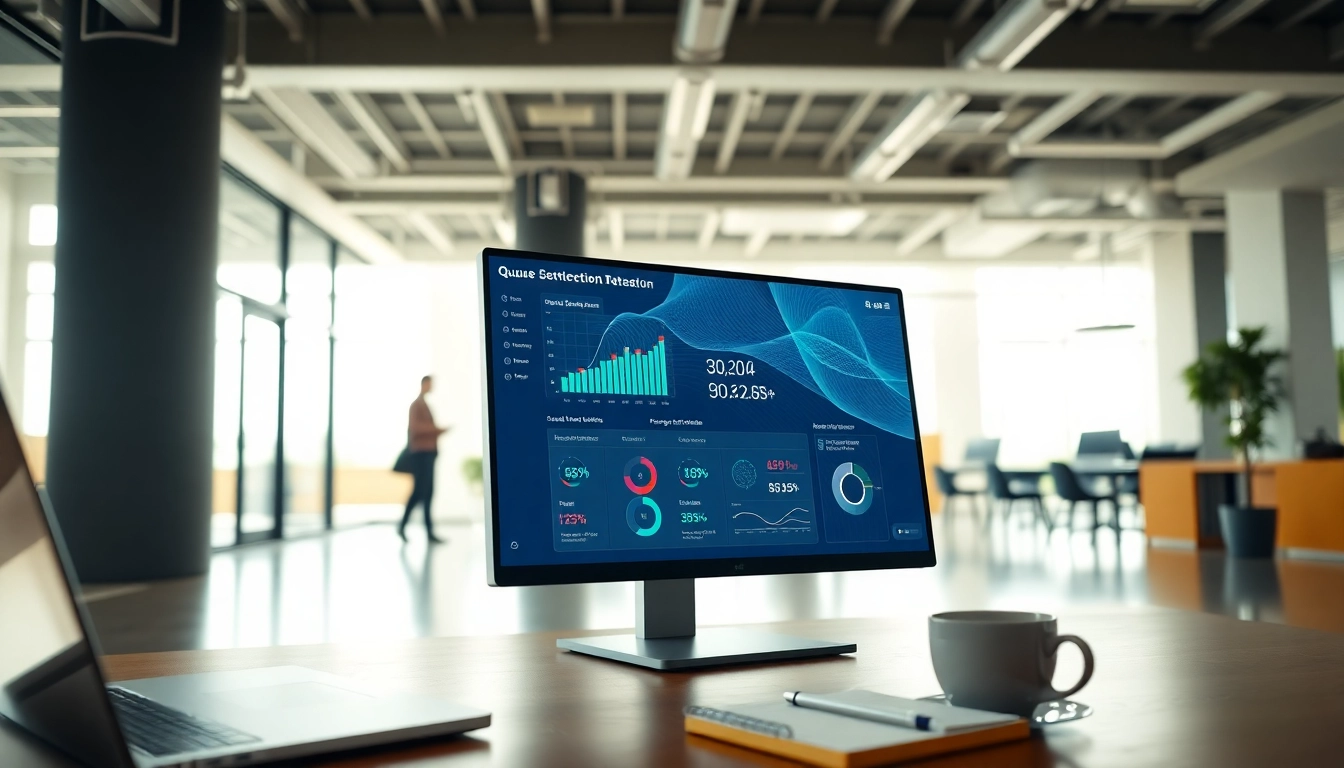
Real-time analytics capabilities are essential for effective queue management. This feature enables businesses to monitor queue length, waiting times, and customer flow dynamics instantly. By visualizing this data through dashboards, organizations can react promptly to changes and optimize service delivery as needed.
Customizable Alerts and Notifications
Customizable alerts and notifications are a significant aspect of queue detection software. Managers can set parameters for when they want to be alerted about excessive wait times or unusual queue patterns. These alerts can be sent via email, SMS, or through the software application, allowing for quick responses to potential issues.
User-Friendly Interface Design
An intuitive and user-friendly interface is vital for ensuring that all staff can effectively use the system. The design should facilitate easy navigation, intuitive reporting, and efficient data visualization, allowing teams to focus on operational tasks rather than grappling with complex technicalities.
Implementing Queue Detection Software in Various Industries
Retail Applications
In retail, effective queue management can significantly enhance the shopping experience. Queue detection software can be used to monitor lines at checkout counters, analyze peak shopping hours, and deploy employees to manage customer flow effectively. By streamlining the retail environment, businesses can reduce the likelihood of walkouts and increase overall sales.
Healthcare Solutions
Healthcare facilities can also benefit from queue detection software. In environments such as hospitals and clinics, the software can monitor patient flow and identify bottlenecks in service delivery. By efficiently managing patient queues, healthcare providers can improve service times and enhance patient satisfaction, making for a more efficient healthcare experience.
Transportation and Traffic Management
Queue detection software has applications in transportation, particularly in traffic management. By controlling traffic light timings based on real-time queue data, traffic congestion can be alleviated, improving safety and efficiency. Additionally, intelligent transportation systems can issue alerts to drivers about potential congestion ahead, thereby reducing stop-and-go traffic scenarios.
Challenges in Using Queue Detection Software
Technical Limitations and Solutions
Despite its benefits, queue detection software does face technical challenges. Issues may arise from sensor accuracy, data overload, and integration difficulties. To address these challenges, continual software updates, periodic maintenance for hardware, and scalable infrastructure solutions are necessary to maintain performance and reliability.
Integration with Existing Systems
Integrating queue detection software with existing systems like point of sale (PoS) and customer relationship management (CRM) is crucial. Compatibility should be assessed during the selection process, and a phased integration strategy can help manage transitions smoothly while minimizing disruptions.
User Adoption and Training Issues
User adoption poses another challenge, as staff may resist new technologies. Addressing this requires providing adequate training programs, demonstrating the benefits of the software, and ensuring support is available during the transition phase. Creating a culture of openness toward new technology can facilitate smoother adoption.
Measuring the Success of Queue Detection Software
Key Performance Indicators (KPIs)
Measuring the success of queue detection software entails tracking specific Key Performance Indicators (KPIs) such as average wait time, queue length, and customer satisfaction scores. By setting benchmarks and goals for these metrics, organizations can assess the impact of queue detection software and make adjustments as necessary.
Case Studies Demonstrating ROI
Case studies from various industries showcase the ROI of queue detection software implementation. For instance, a retail chain may report an increase in customer satisfaction scores and a decrease in checkout wait times after deploying a queue detection system. These examples reinforce the software's value and provide persuasive data for potential adopters.
Future Trends in Queue Detection Software
Looking forward, trends such as the integration of AI and machine learning with queue detection software are expected to enhance predictive capabilities further. Additionally, the increasing demand for contactless solutions may accelerate the adoption of virtual queues, leading to more innovative approaches in managing customer flow.
FAQs
What industries benefit from queue detection software?
Various industries benefit, including retail, healthcare, transportation, and hospitality, where managing customer or patient flow is crucial.
How does queue detection software improve customer experience?
By minimizing wait times and optimizing service delivery, queue detection software directly enhances the overall customer experience.
Can queue detection software be integrated with existing systems?
Yes, many queue detection systems are designed to integrate seamlessly with existing POS and CRM systems to improve operational efficiency.
What are the key features to look for in queue detection software?
Key features include real-time analytics, customizable alerts, and a user-friendly interface that promotes effective usage among staff.
How can businesses measure the success of queue detection software?
Success can be measured through KPIs such as average wait times, customer satisfaction scores, and overall operational efficiency metrics.