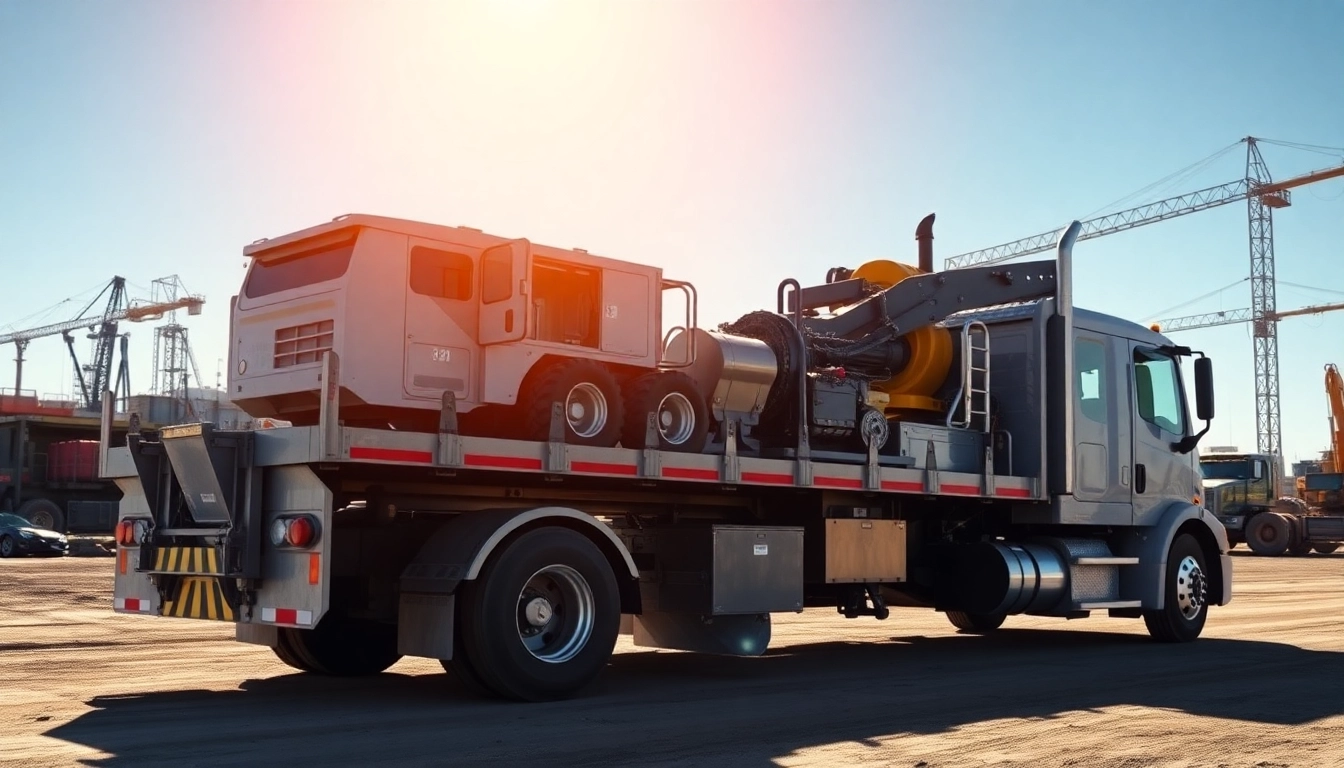
Understanding Equipment Transport
In today's fast-paced industrial landscape, the need for efficient and reliable equipment transport solutions has never been more pronounced. Businesses across sectors - from construction to agriculture - find themselves challenged with moving heavy machinery, tools, and other equipment. Understanding the nuances of equipment transport can significantly enhance productivity, reduce downtime, and ensure the safety of valuable assets.
What is Equipment Transport?
Equipment transport refers to the logistics involved in moving machinery and heavy tools from one location to another. This process can encompass a variety of vehicles and methods tailored to the specific nature of the equipment being moved. Whether it’s a construction machine like a bulldozer or agricultural equipment such as tractors, transport services are essential to ensure safe and efficient delivery.
Types of Equipment Transport Services
There are several types of equipment transport services, each suited for different needs:
- Flatbed Transport: Ideal for open, heavy machinery. Flatbeds allow easy loading and unloading but provide minimal protection from the elements.
- Enclosed Transport: This service offers protection against weather and road debris, making it suitable for sensitive equipment.
- Heavy Hauling: Specialized trucks are used for oversized equipment that exceeds standard dimensions.
- Local Transport: Designed for short-distance moves, often utilized within urban areas or specific sites.
- Long-Distance Transport: For equipment that needs to be moved across states or regions, necessitating thorough logistical planning.
Key Benefits of Equipment Transport
The advantages of partnering with a professional equipment transport provider are numerous:
- Safety: Skilled professionals ensure that equipment is secured properly, minimizing the risk of damage during transit.
- Time Efficiency: With experts handling logistics, businesses can focus more on their core operations, improving overall productivity.
- Cost-effectiveness: Using experienced transport services can lower operational costs associated with potential damages or delays.
Choosing the Right Equipment Transport Provider
Selecting an equipment transport provider is not merely about cost; it’s about finding a partner that aligns with your business's specific needs. A thoughtful approach can make a significant difference in the quality of service provided.
Factors to Consider in Selecting a Provider
When evaluating potential equipment transport providers, consider the following:
- Experience: How long has the company been in business, and what is their history with projects similar to yours?
- Capabilities: Ensure they have the right type of vehicles and expertise for your specific equipment.
- Insurance and Licensing: Verify that they are properly insured and licensed to operate in your area.
Evaluating Provider Reliability
Reliability is critical in equipment transport. Seek out providers who have strong reputations, as reflected in:
- Customer Reviews: Read testimonials and reviews to gauge client satisfaction.
- Track Record: A history of successfully completing high-stakes moves can indicate reliability.
- Communication: A responsive and clear communication style is essential for resolving any issues that may arise during transport.
Cost Considerations for Equipment Transport
Understanding the pricing structure of transport services can help you budget effectively. Costs can vary based on:
- Distance: Longer distances typically incur higher costs due to fuel and time.
- Type of Equipment: Heavier and more complex machinery may require specialized transport, thus increasing costs.
- Time of Transport: Urgent or off-hours requests may also attract premium pricing.
How to Prepare for Equipment Transport
Proper preparation is essential for a smooth transportation process. The steps to prepare include ensuring equipment is ready for pickup and that all logistics are clearly defined.
Essential Pre-Transport Checklist
Before transport, ensure to follow these important steps:
- Conduct a thorough inspection of the equipment.
- Document any existing damages to preclude disputes later.
- Ensure all accessories and loose parts are secured or removed.
Required Documentation for Transport
Documentation is vital in equipment transport. Key records to prepare include:
- Bill of Lading: A detailed record of the equipment being transported.
- Insurance Certificates: Proof of coverage in case of damages.
- Permits: Special permits may be necessary for oversized equipment.
Safety Measures During Transport
Safety cannot be overlooked during transport. Recommendations include:
- Use proper rigging techniques to secure equipment.
- Follow all traffic regulations and safety protocols.
- Regularly monitor the transport route for any hazards or road issues.
Equipment Transport Methods
Choosing the right transport method greatly affects the overall efficiency and safety of the move.
Flatbed vs. Enclosed Transport
Flatbed transport is more common for heavy machinery; however, enclosed transports are preferred for sensitive equipment to avoid exposure to the elements.
Local vs. Long-Distance Transport
Understanding your transport needs is crucial in selecting between local and long-distance options. Local hauls may be conducted quickly, while long-distance moves require more planning to accommodate logistics.
Specialized Transport Options
Some equipment might need specialized handling or transport methods. This could include using cranes for loading or employing specific trailers suited for heavy loads.
FAQs About Equipment Transport
How do I choose the best transport service?
Consider factors like experience, safety records, customer reviews, and the specific services they offer to ensure they meet your needs.
What is the average cost for equipment transport?
Costs can range from $2 to $5 per mile, influenced by factors like equipment type, weight, and distance.
Are there specific permits needed for transport?
Yes, oversized or specialized equipment may require specific permits, which your transport provider can help secure.
How do I prepare my equipment for transport?
Inspect, document damages, secure loose parts, and ensure all necessary paperwork is ready before transport.
What are common damages during transport?
Common damages include scratches, dents, and mechanical failures, often caused by inadequate securing or handling.
Contact Information
Call Us: 4062607988Address: 3906 MT-40, Columbia Falls, MT 59912